

 русский




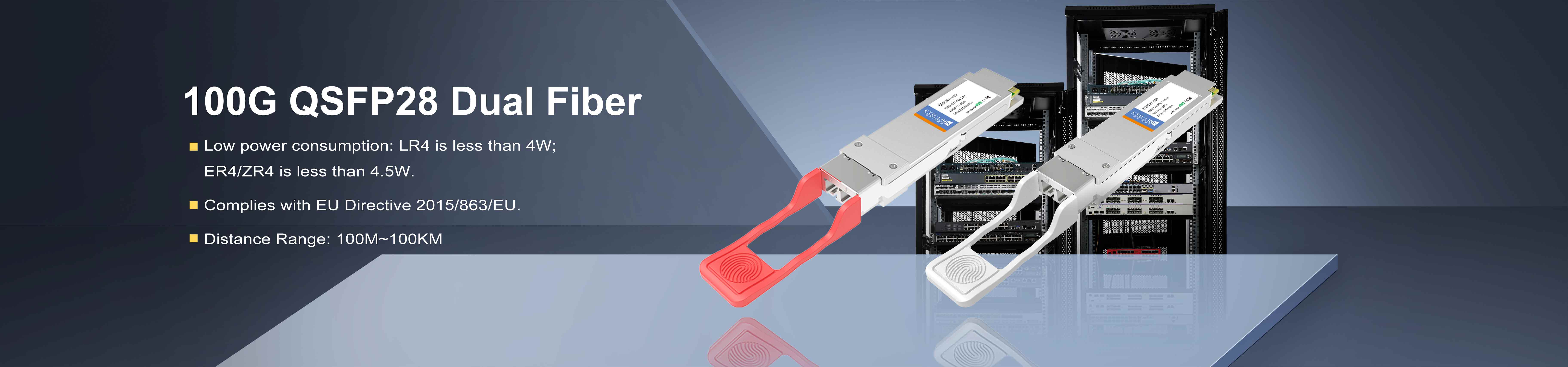
От теории к приложениям: откройте для себя «маленькие мосты» оптических коммуникаций
В обширной системе сетей оптической связи мы часто уделяем внимание основному оборудованию, такому как коммутаторы, маршрутизаторы и оптические модули, но упускаем из виду небольшой, на первый взгляд, но важнейший компонент — оптоволоконный патч-корд. Подобно «невидимому мосту» в мире сетей, он проходит через различные сценарии, такие как серверные комнаты, центры обработки данных и базовые станции связи, незаметно выполняя задачу точной передачи и подключения оптических сигналов. Сегодня мы подробно разберём этот «жизненный путь» сетей оптической связи — от его принципов до применения.
Раскрытие принципа: «точный перевозчик» оптических сигналов
Основной принцип передачи через оптоволоконный патч-корд заключается в полном внутреннем отражении света.Показатель преломления сердцевины волокна значительно выше, чем у оболочки. Когда оптический сигнал поступает с одного конца патч-корда, он многократно испытывает полное внутреннее отражение на границе между сердцевиной и оболочкой, благодаря чему распространяется вперёд вдоль сердцевины волокна и в итоге выходит с другого конца. В этом процессе величина потерь оптического сигнала и скорость передачи напрямую зависят от материала, производственного процесса и точности соединителей оптоволоконного патч-корда.
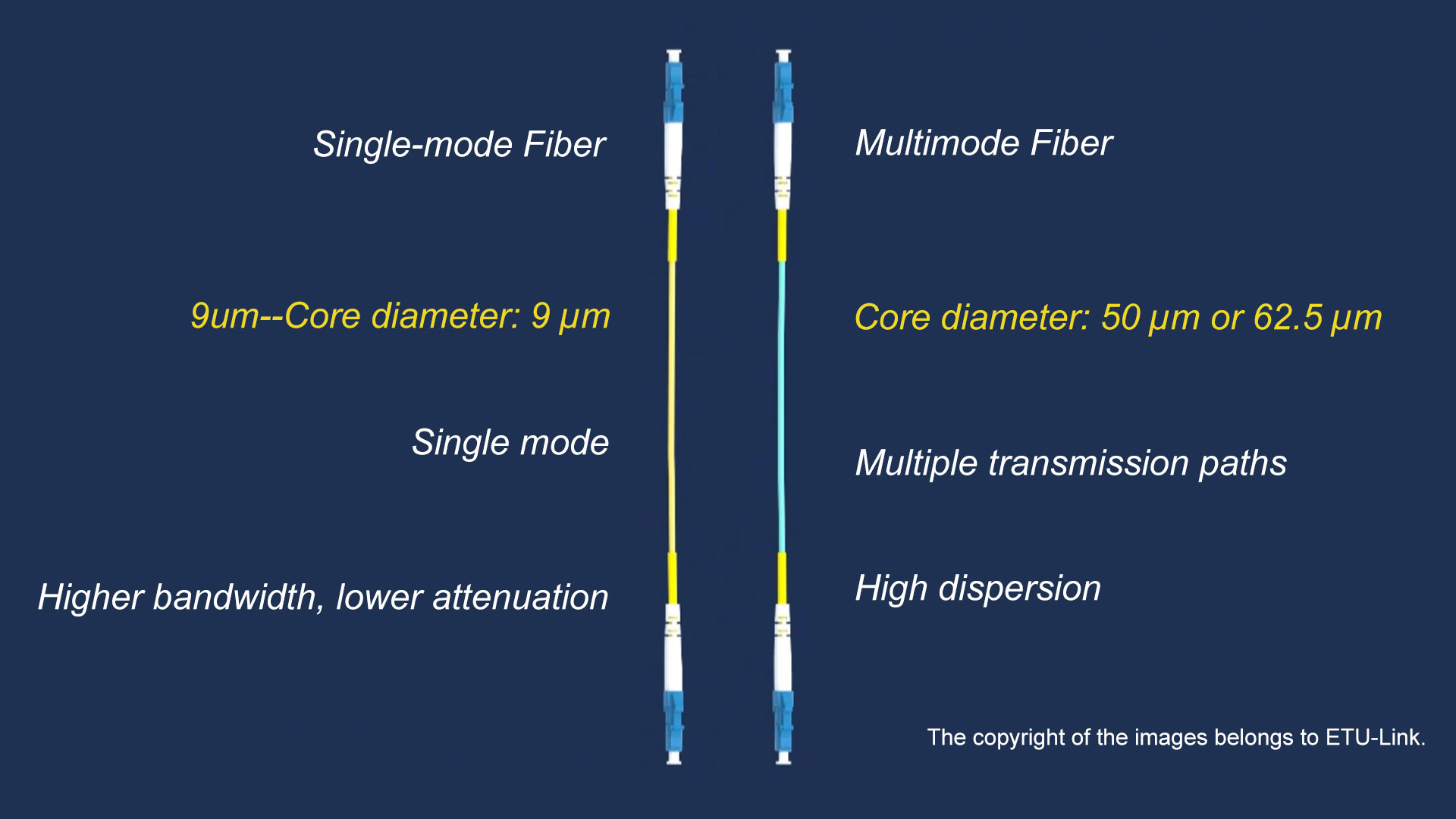
(I) Одномодовый и многомодовый режимы: логика передачи в разных сценариях
Главное различие оптоволоконных патч-кордов заключается в разделении на одномодовые и многомодовые, которые имеют совершенно разные принципы и области применения:
1)Одномодовые оптоволоконные патч-корды: Благодаря чрезвычайно малому диаметру сердцевины (примерно 9 мкм) они могут передавать только одну моду света. Поскольку оптический сигнал движется по одному пути, потери сигнала крайне низкие, а расстояние передачи может составлять от 10 км до более чем 100 км. В основном они используются в сценариях дальней связи с высокой пропускной способностью, таких как магистральные сети, соединения между центрами обработки данных и линии дальней связи.
2)Многомодовые оптоволоконные патч-корды: Они имеют больший диаметр сердцевины (примерно 50 мкм или 62,5 мкм) и могут передавать несколько мод света. Они классифицируются как OM1, OM2, OM3, OM4 и OM5 в зависимости от уровня производительности и обычно выпускаются в оранжевом, бирюзовом и голубовато-зелёном цветах. Хотя они обладают относительно высокими потерями сигнала и меньшими расстояниями передачи (обычно в пределах нескольких сотен метров), они обеспечивают высокую пропускную способность и меньшую стоимость, что делает их подходящими для коротких расстояний и локальных сценариев связи с высокой пропускной способностью, таких как соединение оборудования внутри серверной комнаты, корпоративные локальные сети и подключение серверов внутри центра обработки данных.
(Ⅱ) Соединители: «Критическое Звено», Определяющее Качество Соединения
Соединители являются «горлом» оптоволоконных патч-кордов, и точность их изготовления напрямую влияет на эффективность сопряжения оптических сигналов.
1)Соединитель LC LC-коннектор: миниатюрный размер и высокая плотность сопряжения делают его предпочтительным выбором для центров обработки данных.
2)SC Cоединитель: Квадратный корпус, стабильная установка и извлечение, высокая устойчивость к помехам, совместим с переключателями и трансиверами.
3)FC Cоединитель: с резьбовой фиксацией, отличная устойчивость к воздействию окружающих помех, предназначен для суровых промышленных условий.
4)ST Cоединитель: круглый байонетный интерфейс, фиксируется поворотной защёлкой, широко использовался в ранних локальных сетях, сейчас в основном применяется в системах безопасности и при модернизации старого оборудования.
5)MPO/MTP Cоединитель: многожильная интеграция, поддержка параллельной работы с 8/12/16 жилами, адаптация к высокоскоростным сетям 40G+, используется для высокоплотных центров обработки данных и межсоединения вычислительных мощностей ИИ.
Ключевое напоминание:Несовместимые интерфейсы могут напрямую привести к затуханию сигнала или разрыву соединения. Выбранный интерфейс должен строго соответствовать порту устройства.
Сценарии применения: Вездесущая "система подключения"
Оптоволоконные патч-корды используются во всех аспектах сетей оптической связи: от аппаратных помещений ядра сети до конечных пользователей, от промышленных объектов до домашних сетей.
1. Центр обработки данных
Одномодовое волокно отвечает за межрегиональное соединение, а многомодовое — за соединение стоек внутри центра обработки данных, полностью адаптируясь к высокоскоростному обновлению сетей в эру 400G/800G.
2. Базовая станция связи
Соединяя контроллер и приемопередатчик, она обеспечивает передачу данных в опорной сети 5G/6G, требуя высокой надежности и устойчивости к суровым условиям окружающей среды.
3. Промышленный Интернет вещей
Благодаря устойчивости к электромагнитным помехам и коррозии, она поддерживает передачу данных в реальном времени для автоматизации производства и интеллектуальных электросетей.
4. Домашние и бизнес-сети (SOHO/предприятия)
Категории
Новый блог
Теги
новые продукты
Оптический трансивер 800G OSFP 2×DR4 1310nm 500M MPO12 с DDM Читать далее
100G QSFP28 ZR4 BIDI 80KM LC оптический трансивер Читать далее
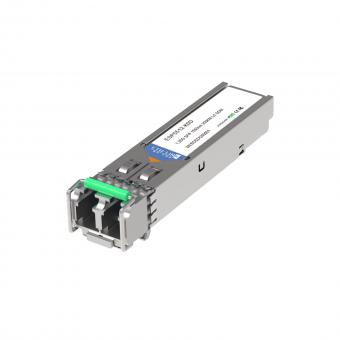
Оптический трансивер 1.25G SFP 1550 нм 200 км LC Читать далее
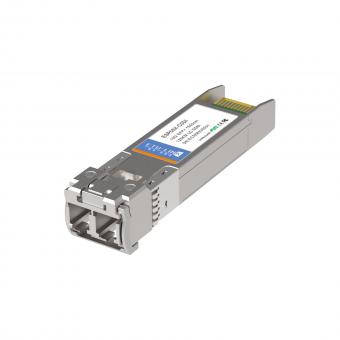
Оптический трансивер 10G SFP+ ZR 1550 нм 120 км LC Читать далее
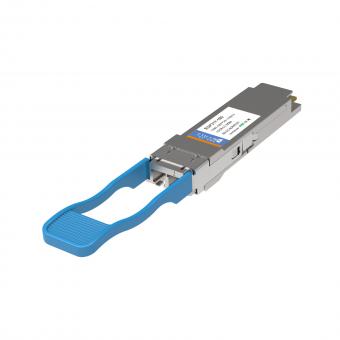
Оптический приемопередатчик 100G QSFP28 LR с одинарной лямбдой 10 км LC Читать далее
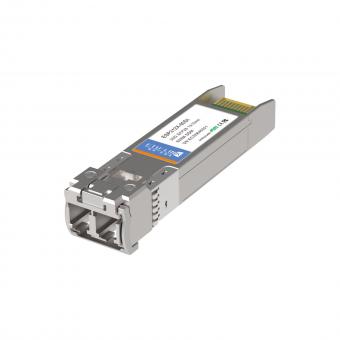
Оптический приемопередатчик 25G SFP28 ZR 1310 нм 80 км LC Читать далее
Оптический приемопередатчик 100G QSFP28 ZR4 80KM LC поколения II Читать далее
Оптический приемопередатчик 100G QSFP28 BIDI 40 км LC Читать далее
По вопросам о наших продуктах или прайс-листе, пожалуйста, оставьте нам, и мы свяжемся с вами в течение 24 часов.


 Factory: Right Side Of 3rd Floor, No. 102 Building, Longguan Expressway, Dalang Street, Longhua District, Shenzhen
Office: Floor 4, Building 4, Nanshan Yungu Phase ll, Taoyuan Community, XiliStreet,Nanshan District, Shenzhen
© Авторские права: 2026 ETU-Link Technology CO ., LTD Все права защищены.

Поддерживается сеть IPv6


