

 русский




Какие профессиональные термины используются в индустрии оптической связи?
Индустрия оптической связи обладает комплексной и профессиональной системой технической терминологии с многочисленными сокращениями и профессиональными терминами, что создаёт значительный барьер для понимания у новичков.Накопив обширный отраслевой опыт и понимая неэффективность механического запоминания, эта статья систематически собирает часто встречающиеся ключевые термины в области оптической связичтобы помочь новичкам быстро сформировать отраслевые знания. Наполненный практической информацией, это быстрыйи простой способосвоить основы отрасли!
Классификация
Технические термины/Сокращения
Подробное объяснение и применимые сценарии
Лазер
(Передатчик)
EML
(лазер с электронной модуляцией)
Объединяет лазер и модулятор, обеспечивает стабильную работу и подходит для сценариев дальней высокоскоростной оптической передачи.
DML
(лазер с прямой модуляцией)
Благодаря простой конструкции и высокой экономической эффективности в основном используется в обычных сценариях передачи на средние и короткие расстояния.
DFB
(лазер с распределённой обратной связью)
Выдаёт источник света с одной продольной модой и превосходным качеством луча, являясь основным лазером для передачи на большие расстояния.
VCSEL
(лазер с вертикальным резонатором и поверхностным излучением)
Подходит для сценариев коротких расстояний и многомодовой передачи, широко используется для межсоединений на коротких расстояниях в центрах обработки данных.
Детектор
(Приёмник)
PIN-фотодиод
Высокая скорость отклика, универсальное устройство обнаружения оптических сигналов, подходящее для большинства сценариев на коротких и средних расстояниях.
APD
(лавинный фотодиод)
Обладает эффектом умножения оптического сигнала, что обеспечивает более высокую чувствительность обнаружения и пригодность для обнаружения слабого света и передачи на большие расстояния.
Компоненты трансивера
TOSA
Основная функция оптоэлектронного передающего компонента — преобразование электрических сигналов в оптические сигналы.
ROSA
Основная функция оптоэлектронного приёмного компонента — преобразование оптических сигналов в электрические сигналы.
BOSA
Интегрированный компонент оптоэлектронного трансивера с двойной функцией передачи и приёма, объединённое устройство.
Корпусирование оптических модулей
SFP/QSFP/OSFP
Отраслевые стандартные корпуса определяют физические размеры и спецификации электрических интерфейсов оптических модулей для адаптации к различнымскоростям передачи.
Нелинейный эффекты
(SPM/FWM)
Классификация
Технические термины/Сокращения
Подробное описание и применимые сценарии
Пассивные компоненты
AWG
(решётка волноводных каналов)
Основная функция: реализация мультиплексирования и демультиплексирования оптических сигналов с несколькими длинами волн; ключевой компонент передачи с волновым разделением каналов (WDM).
Оптический разветвитель PLC
Основные компоненты сети PON используются для равномерного распределения оптической мощности и широко применяются в сетях широкополосного доступа.
Оптический изолятор
Предотвращает влияние отражённого света на источник света и обеспечивает стабильную работу системы оптической передачи.
Классификация оптических волокон
Одномодовое волокно
С диаметром сердцевины волокна примерно 9 мкм оно характеризуется низкими потерями передачи и возможностью передачи на большие расстояния, поэтому в основном используется для дальних соединений в магистральных сетях, городских сетях и аналогичных приложениях.
Многомодовое волокно
С диаметром сердцевины волокна 50 мкм/62,5 мкм оно имеет относительно небольшую дальность передачи и в основном используется для коротких соединений внутри центров обработки данных и компьютерных помещений.
Диапазоны передачи
C-диапазон
(1530 нм-1565 нм)
Основной диапазон длин волн кварцевого оптического волокна с наименьшими потерями, являющийся главным рабочим окном для дальней оптической передачи.
L-диапазон
Часто используется совместно с C-диапазоном, эффективно расширяет пропускную способность систем оптической передачи и повышает эффективность использования полосы пропускания.
O-диапазон
(1260 нм-1360 нм)
Волоконно-оптические кабели имеют низкие значения дисперсии и минимальное искажение передаваемого сигнала, что делает их подходящими для систем передачи CWDM.
Характеристики передачи
Дисперсия
Явление расширения при передаче оптических импульсов состоит из материальной дисперсии и волноводной дисперсии; дисперсия одномодового волокна на длине волны 1550 нм составляет примерно 17 пс/нм/км, влияя на скорость и расстояние передачи.
Эффект передачиа
Такие явления, как самомодуляция фазы и четырёхволновое смешение, являются ключевыми факторами, ограничивающими ввод оптической мощности в волокно и влияющими на стабильность передачиты.
Классификация
Технические термины /Аббревиатуры
Подробное описание и применимые сценарии
Технология мультиплексирования с разделением по длине волны (WDM)
DWDM
Плотное мультиплексирование с разделением по длине волны (DWDM) характеризуется чрезвычайно малым шагом между длинами волн (0,8 нм/0,4 нм), множеством каналов и высокой спектральной эффективностью, что делает его подходящим для дальней высокоемкостной передачи в магистральных сетях.
CWDM
Грубое мультиплексирование с разделением по длине волны (CWDM) с шагом между длинами волн 20 нм не требует высокоточного контроля температуры, что приводит к снижению затрат и делает его подходящим для сценариев передачи на короткие и средние расстояния с небольшой емкостью.
Технология доступа PON
PON
Топология пассивной оптической сети типа «точка-многоточка» без активных устройств проста в построении и имеет низкую стоимость, что делает ее основной архитектурой широкополосного доступа.
OLT/ODN/ONU
OLT: основное оборудование центрального офиса;ODN: пассивная оптическая распределительная сеть; ONU: пользовательское терминальное оборудование. Вместе эти три компонента образуют полноценную систему доступа PON.
EPON/GPON
EPON основан на протоколе Ethernet и совместим с традиционными широкополосными сетями; GPON использует инкапсуляцию GEM, обеспечивая более высокую эффективность передачи и стабильность.
10G PON/50G PON
10G PON уже широко внедрен в коммерческих масштабах; 50G PON является направлением развития ядра высокоскоростного широкополосного доступа следующего поколения.
Архитектура передачи
OTN/OPU/ODU/OTU
Использует цифровую структуру кадров, наложенную на физический уровень DWDM, многоуровневую иерархическую архитектуру, а также обладает мощными возможностями управления служебными данными и защитного переключения при отказах, что делает ее основной архитектурой магистральной передачи.
Классификация
Технические термины/Аббревиатуры
Подробное описание и применимые сценарии
Протокол совместимости
MSA
(многоисточниковый протокол)
Унифицирует отраслевые стандарты продукциидля обеспечения совместимости и взаимодействия оптических модулей и оборудования передачи данных разных производителей.
Система отраслевых стандартов
ITU-T
Разрабатывает основные стандарты и спецификации для используемой во всем мире отрасли оптических коммуникацийстакими стандартами, как оптическое волокно G.652 и серия PON G.984.
IEEE
Ведущий разработкусерии стандартов Ethernet 802.3 и стандартизирующий правила протоколов передачи Ethernet в оптических сетях.
Сертификация доступа на рынок
RoHS/CE/FCC
Признанные на международном уровне сертификаты соответствия являются основным условием для продажи и доступа к рынку оптических модулей и оборудования оптической связи.
Категории
Новый блог
Теги
новые продукты
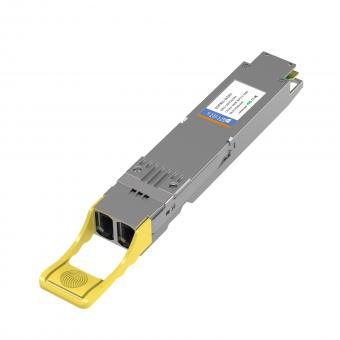
Оптический трансивер 800G OSFP 2×DR4 1310nm 500M MPO12 с DDM Читать далее
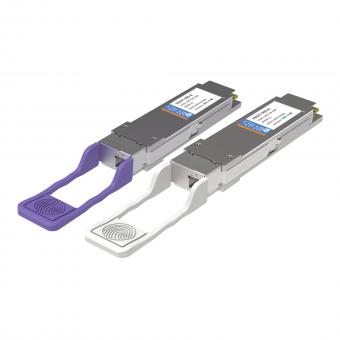
100G QSFP28 ZR4 BIDI 80KM LC оптический трансивер Читать далее
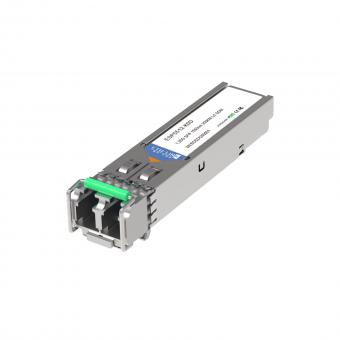
Оптический трансивер 1.25G SFP 1550 нм 200 км LC Читать далее
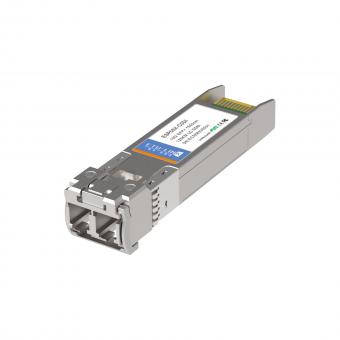
Оптический трансивер 10G SFP+ ZR 1550 нм 120 км LC Читать далее
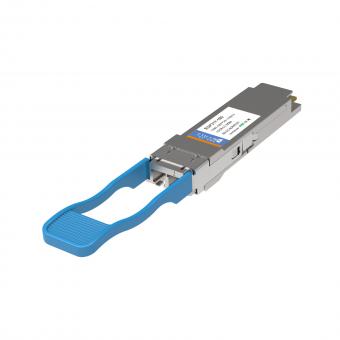
Оптический приемопередатчик 100G QSFP28 LR с одинарной лямбдой 10 км LC Читать далее
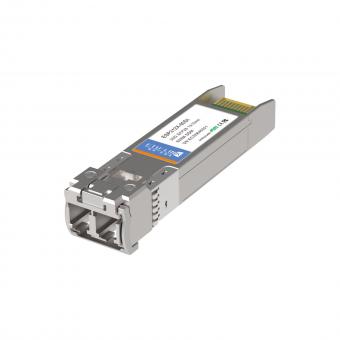
Оптический приемопередатчик 25G SFP28 ZR 1310 нм 80 км LC Читать далее
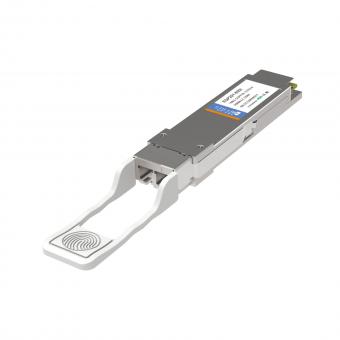
Оптический приемопередатчик 100G QSFP28 ZR4 80KM LC поколения II Читать далее
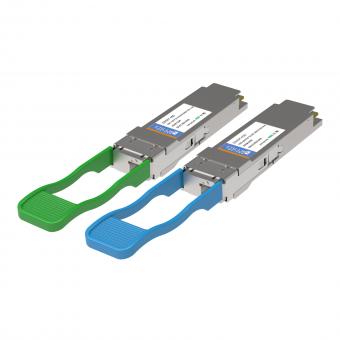
Оптический приемопередатчик 100G QSFP28 BIDI 40 км LC Читать далее
По вопросам о наших продуктах или прайс-листе, пожалуйста, оставьте нам, и мы свяжемся с вами в течение 24 часов.


 Factory: Right Side Of 3rd Floor, No. 102 Building, Longguan Expressway, Dalang Street, Longhua District, Shenzhen
Office: Floor 4, Building 4, Nanshan Yungu Phase ll, Taoyuan Community, XiliStreet,Nanshan District, Shenzhen
© Авторские права: 2026 ETU-Link Technology CO ., LTD Все права защищены.

Поддерживается сеть IPv6


