

 русский




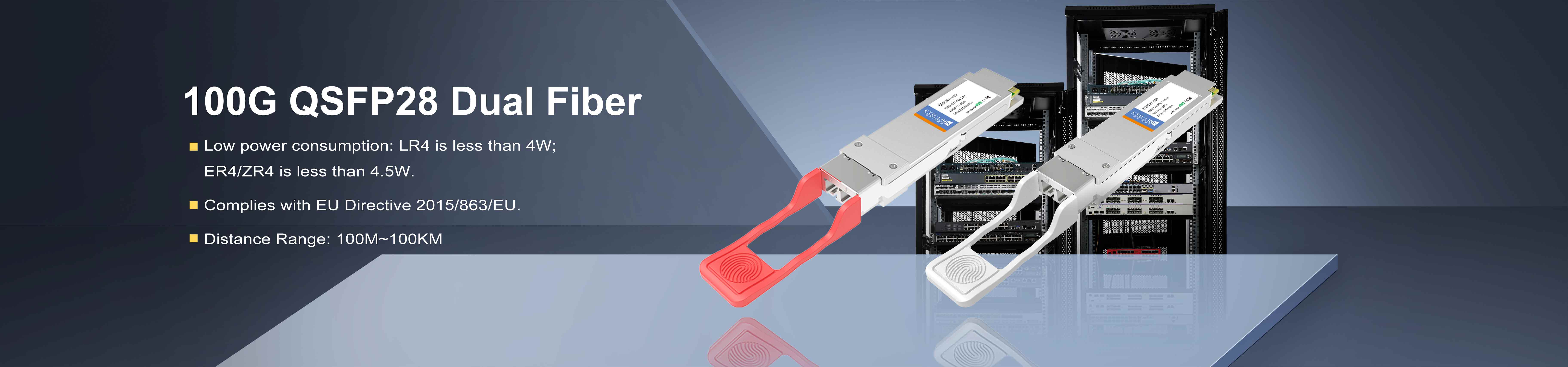
Углубленный анализ колебаний цен на оптоволокно: новый отраслевой цикл, обусловленный производством заготовок для оптического волокна, расширением производства и областями применения.
В 2026 году мировой рынок оптического волокна пережил новый виток ценовых колебаний, при этом цены на некоторые виды оптического волокна достигли почти семилетних максимумов. Это явление является результатом множества факторов, включая дефицит заготовок для оптического волокна, длительные циклы расширения производственных мощностей по выпуску оптического волокна и взрывной рост новых областей применения, таких как вычислительные мощности искусственного интеллекта и дроны. В данной статье будет проанализирована логика колебаний цен на оптическое волокно с четырех точек зрения: предложение заготовок, циклы расширения производства оптического волокна, изменения сценариев применения и ограничения расширения, чтобы помочь корпоративным клиентам в разработке планов на будущее.
Я. Поставка заготовок для оптического волокна: «узкое место» в основе производственной цепочки.
Заготовки для оптического волокна являются основным сырьем для производства оптического волокна, и их производственные мощности напрямую определяют динамику цен на рынке оптического волокна. В 2026 году мировое предложение заготовок для оптического волокна демонстрировало следующие характеристики:
1. Полный С пропускная способность О операция : Производственные линии по выпуску заготовок для оптического волокна четырех ведущих китайских компаний по производству оптического волокна (YOFC, Hengtong, Fiberhome и Zhongtian), а также зарубежных производителей работают на полную мощность, при этом глобальная загрузка мощностей приближается к 100%.
2. Длинный Е расширение С велосипед Производство заготовок для оптического волокна сопряжено с высокими технологическими барьерами, а цикл расширения может занять от 18 до 24 месяцев. Даже если производители начнут расширение немедленно, новые мощности станут доступны не раньше 2027 года.
Влияние Дефицит заготовок для оптического волокна привел к увеличению производственных затрат на оптическое волокно, вынудив производителей повышать цены для поддержания рентабельности, что привело к росту цен за счет «издержек».
II. Цикл развития волоконно-оптической связи: противоречие между долгосрочными инвестициями и краткосрочным спросом.
Расширение производственных мощностей по выпуску оптического волокна включает в себя несколько этапов, в том числе производство заготовок, вытяжку волокна и изготовление кабеля, что в итоге приводит к длительному общему циклу. В настоящее время расширение мощностей по выпуску оптического волокна сталкивается со следующими проблемами:
1. Рано С пропускная способность С обучение В период с 2019 по 2021 год в отрасли производства оптического волокна наблюдался спад, и производители сократили производственные мощности, чтобы справиться с падением спроса. После 2022 года, несмотря на восстановление спроса, производители придерживались консервативного подхода к расширению мощностей, осуществляя лишь небольшие крупномасштабные инвестиции.
2. Структурный С пропускная способность М несоответствие Производители отдают приоритет выпуску высококачественных специализированных оптических волокон (таких как G.654.E и оптические волокна с полым сердечником), но их эффективность вытяжки на 10-15% ниже, чем у распространенных волокон G.652.D, что еще больше ограничивает возможности обычных оптических волокон.
3. Глобальный С пропускная способность Г ап Согласно институциональным оценкам, глобальный дефицит оптического волокна достигнет 180 миллионов километров к 2026 году, при этом уровень дефицита составит 16,4%, а напряженный баланс спроса и предложения сохранится как минимум до конца 2027 года.
Влияние Длительный цикл развития оптического волокна затрудняет быстрое реагирование предложения на рост спроса, формируя цикл «чем острее спрос, тем дефицитнее предложение и тем выше цена».
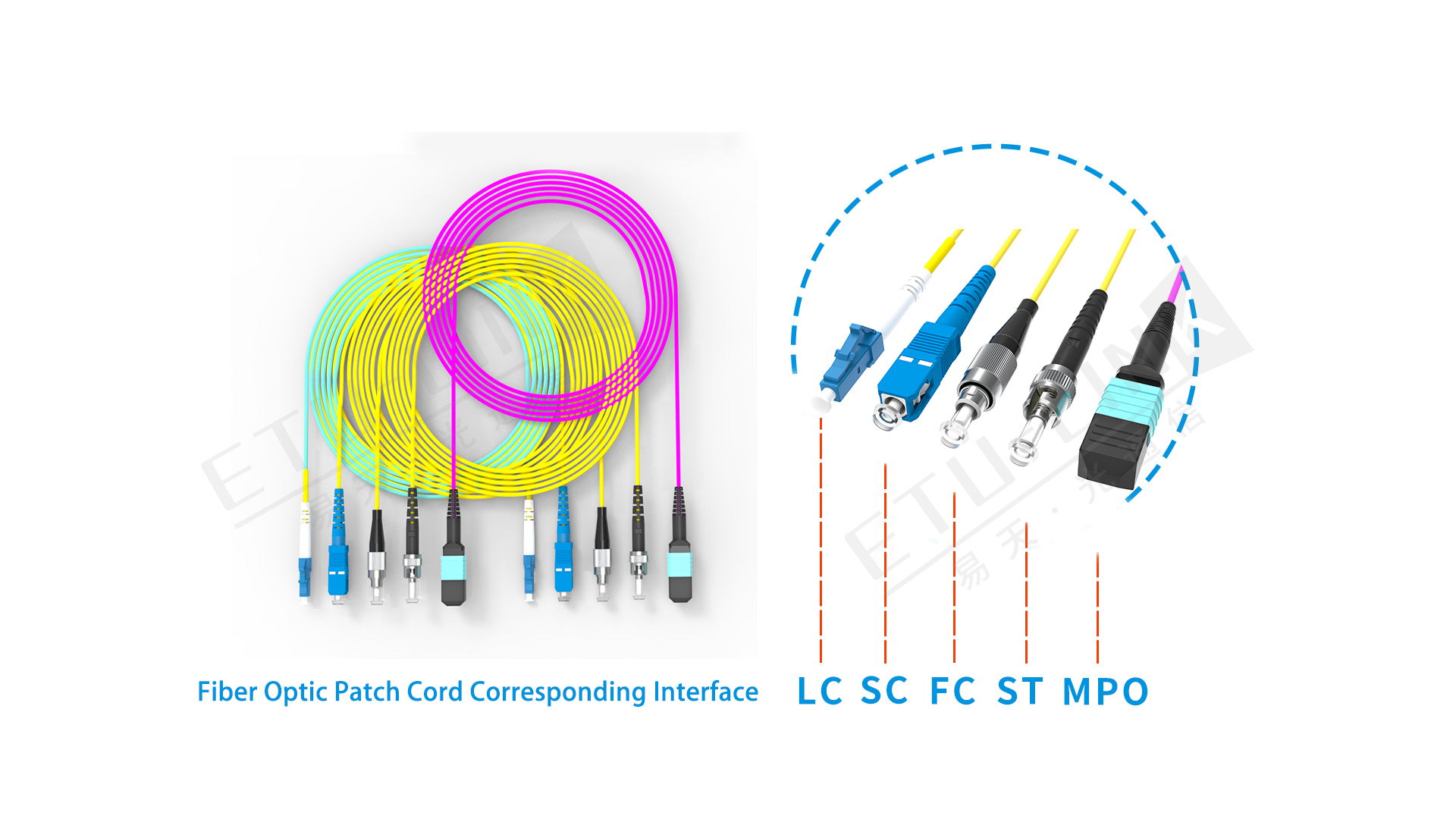
III. Изменения в сценариях применения: вычислительные мощности ИИ и дроны приводят к взрывному росту спроса.
В 2026 году структура спроса на оптическое волокно претерпит глубокие изменения, при этом основными драйверами роста станут такие новые области применения, как вычислительные мощности искусственного интеллекта и беспилотные летательные аппараты.
1. строительство вычислительной мощности ИИ :
1) межцентровое соединение Для обучения ИИ требуется высокоскоростная связь между серверами, что приводит к резкому росту спроса на оптические модули 400G/800G, а это, в свою очередь, увеличивает использование оптоволокна.
2) Система межсоединений центров обработки данных (DCI) Крупномасштабные центры обработки данных (такие как проект Meta Louisiana) требуют миллионов миль оптоволоконных кабелей, что стимулирует спрос на передачу данных на большие расстояния.
3) Передача инфляции вычислительной мощности Технологические гиганты, такие как Amazon, Microsoft, Google и Meta, потратят более 600 миллиардов долларов на капитальные вложения в 2026 году, в основном на инфраструктуру для искусственного интеллекта, со значительным увеличением закупок оптоволоконных сетей.
2. Применение дронов :
1) Военные беспилотники Волоконно-оптическая передача данных устойчива к электромагнитным помехам и стала предпочтительным решением для каналов передачи данных с беспилотных летательных аппаратов.
2) Гражданские дроны : Спрос на волоконную оптику в логистике, геодезии, картографии и других областях постепенно удовлетворяется.
3. Рынок операторов связи :
1) строительство сетей 5G/6G Операторы продолжают продвигать создание общенациональной интегрированной вычислительной сети и интеллектуальных вычислительных центров, что приводит к быстрому росту спроса на оптические волокна, такие как G.652.D и G.654.E.
2) Масштабы централизованных закупок расширились. Ежегодный спрос на услуги China Mobile достиг уровня сотен миллионов ядерных километров, обеспечивая базовую поддержку бизнеса ведущим предприятиям.
Влияние Новые области применения значительно увеличили плотность использования волоконно-оптических кабелей, что в сочетании со спросом со стороны традиционных операторов создает эффект «двойного двигателя», еще больше усугубляя дисбаланс спроса и предложения.
IV. Ограничения на расширение: Сочетание технических, экономических и политических факторов
Расширение мощностей волоконно-оптической связи ограничено не только циклами производственных мощностей, но и сталкивается со следующими ограничениями:
1. Технические барьеры :
1) Производство специализированного оптического волокна Для волокон G.654.E, полых оптических волокон и т.д. существуют высокие технические барьеры, и лишь немногие производители способны наладить их массовое производство.
2) Показатель самообеспеченности оптическими заготовками Несмотря на то, что уровень самообеспеченности отечественных производителей оптическими заготовками повысился, производство высококачественных оптических заготовок по-прежнему зависит от импорта, что ограничивает темпы расширения производственных мощностей.
2. давление издержек :
1) Рост цен на сырье Рост цен на сырье, такое как заготовки для оптических волокон и гелий, привел к увеличению себестоимости производства оптических волокон.
2) Ограничения энергопотребления Процесс вытягивания волокна является энергоемким, и в некоторых регионах ужесточается процедура утверждения проектов с высоким энергопотреблением.
3. Политические и торговые барьеры :
1) Влияние антидемпинга Хотя отечественная промышленность по производству заготовок для оптического волокна в основном самодостаточна, изменения в внешней торговой политике могут повлиять на поставки импортных заготовок для оптического волокна.
2) Экспортный контроль Некоторые страны ввели экспортный контроль на высококачественные оптические волокна, что ограничивает потоки в глобальных цепочках поставок.
Влияние Ограничения на расширение производства приводят к недостаточной эластичности предложения. Даже при увеличении спроса производителям будет сложно быстро нарастить производственные мощности, что еще больше подорвет цены.
V. Рекомендации по планированию на будущее: Воспользуйтесь циклическими колебаниями в отрасли и расширьте производственные мощности по выпуску высокотехнологичной продукции.
В связи с колебаниями цен на оптоволоконные кабели, планирование на будущее может осуществляться с учетом следующих перспектив:
1. Обеспечьте безопасность цепочки поставок заранее. Цель: Установить долгосрочное сотрудничество с ведущими производителями оптического волокна, чтобы в приоритетном порядке поставлять заготовки для оптического волокна и высококачественное оптическое волокно.
2. Развитие потенциала в области специализированных оптических волокон. : Сосредоточьтесь на продуктах с высокой добавленной стоимостью, таких как оптические волокна G.654.E и волокна с полым сердечником, чтобы удовлетворить потребности в вычислительной мощности для искусственного интеллекта, передаче данных на большие расстояния и других сценариях.
3. Оптимизация управления запасами Исходя из прогнозов спроса, необходимо соответствующим образом увеличить запасы оптоволокна для снижения риска краткосрочных колебаний цен.
4. Изучите альтернативы решения В сценариях передачи данных на короткие расстояния следует оценить целесообразность альтернативных вариантов, таких как медные кабели и беспроводная передача, чтобы снизить финансовую нагрузку.
В заключение Колебания цен на оптическое волокно в 2026 году отражают глубокую реструктуризацию спроса и предложения в отрасли. Благодаря появлению таких перспективных приложений, как вычислительные мощности искусственного интеллекта и дроны, индустрия оптического волокна вступает в новый цикл бурного развития. Корпоративным клиентам необходимо понимать циклические закономерности отрасли и заблаговременно планировать высокотехнологичные производственные мощности для решения будущих рыночных задач.
Предыдущий :
От теории к приложениям: откройте для себя «маленькие мосты» оптических коммуникацийСледующий :
Что такое SOA?Категории
Новый блог
Теги
новые продукты
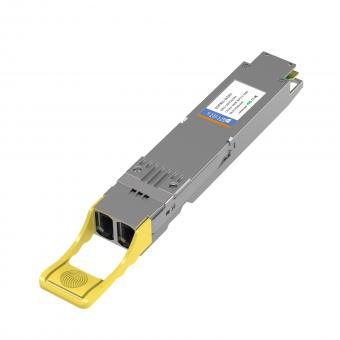
Оптический трансивер 800G OSFP 2×DR4 1310nm 500M MPO12 с DDM Читать далее
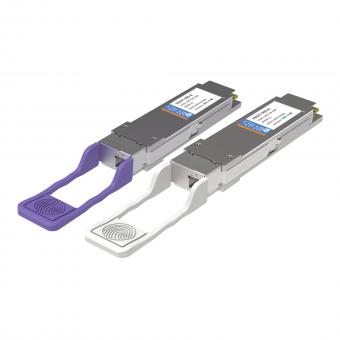
100G QSFP28 ZR4 BIDI 80KM LC оптический трансивер Читать далее
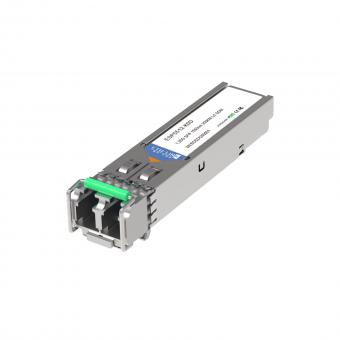
Оптический трансивер 1.25G SFP 1550 нм 200 км LC Читать далее
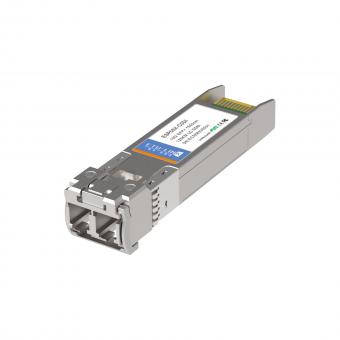
Оптический трансивер 10G SFP+ ZR 1550 нм 120 км LC Читать далее
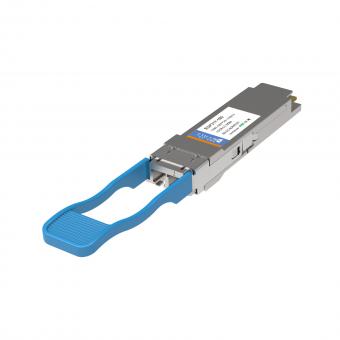
Оптический приемопередатчик 100G QSFP28 LR с одинарной лямбдой 10 км LC Читать далее
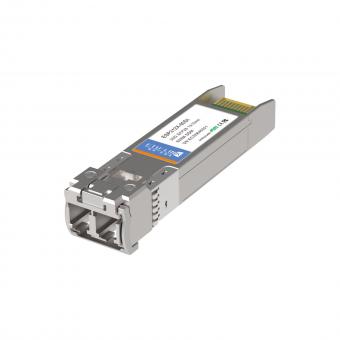
Оптический приемопередатчик 25G SFP28 ZR 1310 нм 80 км LC Читать далее
Оптический приемопередатчик 100G QSFP28 ZR4 80KM LC поколения II Читать далее
Оптический приемопередатчик 100G QSFP28 BIDI 40 км LC Читать далее
По вопросам о наших продуктах или прайс-листе, пожалуйста, оставьте нам, и мы свяжемся с вами в течение 24 часов.


 Factory: Right Side Of 3rd Floor, No. 102 Building, Longguan Expressway, Dalang Street, Longhua District, Shenzhen
Office: Floor 4, Building 4, Nanshan Yungu Phase ll, Taoyuan Community, XiliStreet,Nanshan District, Shenzhen
© Авторские права: 2026 ETU-Link Technology CO ., LTD Все права защищены.

Поддерживается сеть IPv6


