

 русский




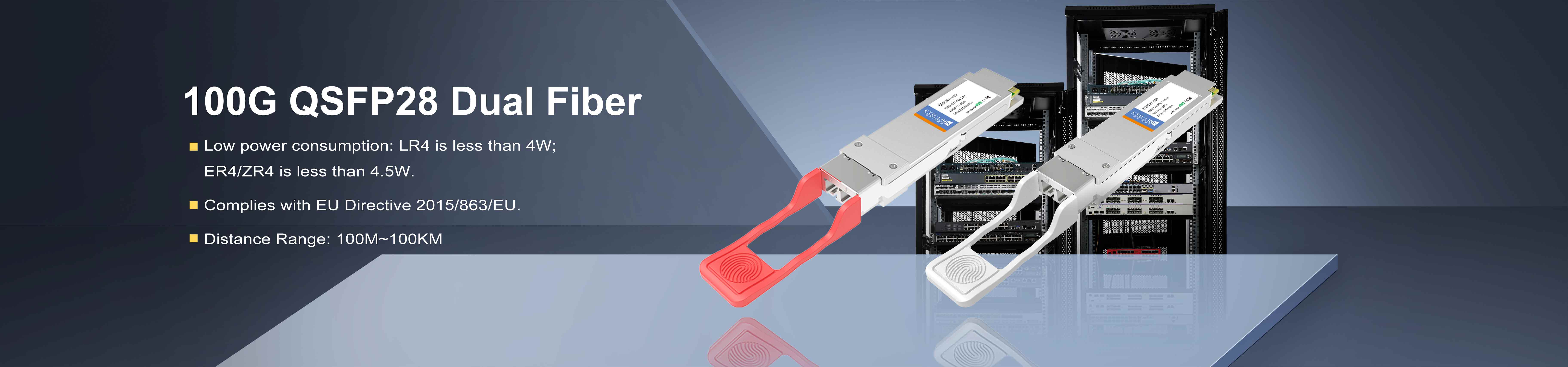
Что такое настраиваемый оптический модуль DWDM? Какова его функция?
В области оптической связи,
настраиваемые оптические модули DWDM
Они постепенно становятся ключевым компонентом для соединения магистральных сетей и центров обработки данных. Что же делает их такими особенными?
Традиционные оптические модули DWDM используют конструкцию с «фиксированной длиной волны», что означает, что каждый модуль может передавать только одну конкретную длину волны, соответствующую стандарту ITU-T. Это подразумевает, что для системы плотного мультиплексирования с разделением по длинам волн (DWDM) с 80 длинами волн потребуется 80 различных типов запасных частей.
Настраиваемые оптические модули DWDM
Однако они могут обойти это ограничение — они могут динамически переключаться на любую стандартную длину волны в диапазоне C-диапазона или L-диапазона с помощью программных команд.
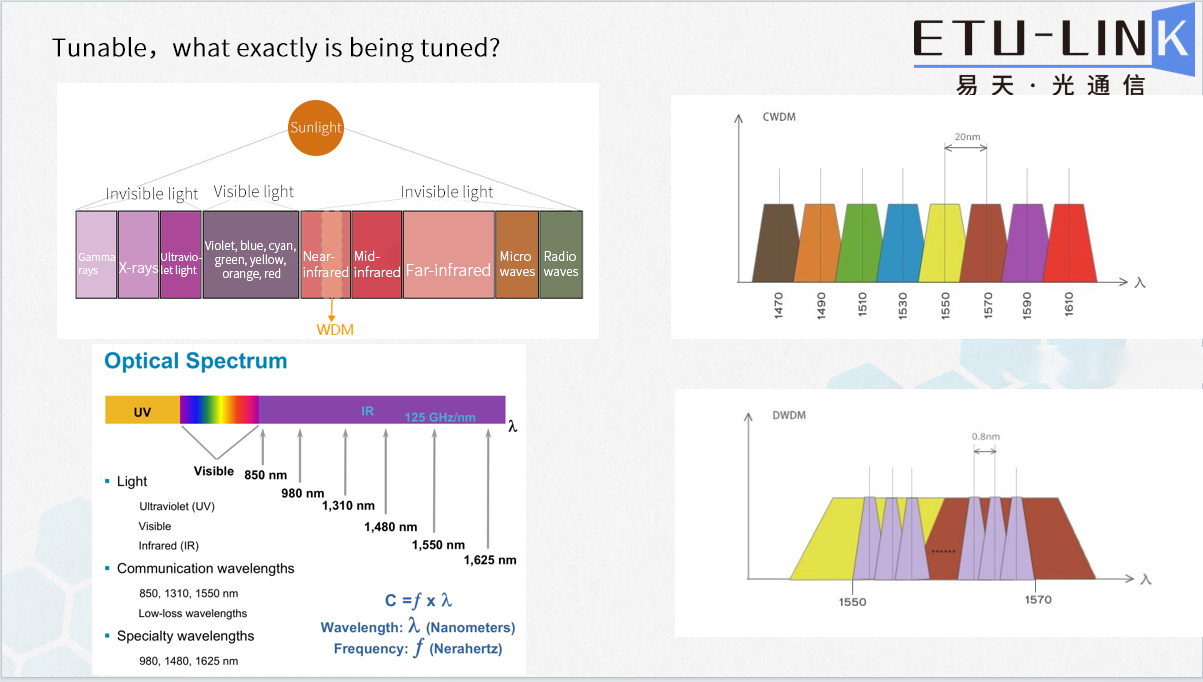
С точки зрения технических стандартов, основные настраиваемые модули DWDM соответствуют протоколам ITU-T G.698.4 или OIF, обычно охватывая 96 каналов в C-диапазоне (1529,55 нм – 1567,13 нм). Типы корпусов включают SFP+, QSFP28 и QSFP-DD, а скорости варьируются от 10 Гбит/с до 400 Гбит/с. Скорости 100 Гбит/с и выше часто используются в сочетании с когерентными оптическими технологиями.
Основная функция
настраиваемый
Оптический модуль DWDM
являются
Это отражается в трех аспектах:
Для операторов поддержание запаса запасных частей с фиксированной длиной волны для системы, охватывающей 80 длин волн, означает управление десятками артикулов. С настраиваемыми модулями для покрытия всех требований к длинам волн требуется всего 1-2 модели, что эффективно сокращает капитальные затраты на складские запасы.
В архитектуре ROADM настраиваемый модуль является аппаратной основой для планирования работы «бесцветного» оптического слоя. Персонал по техническому обслуживанию может удаленно регулировать длины волн через систему управления сетью, не выезжая на объект для замены модулей, что сокращает время активации сервиса с часов до минут.
Согласно статистическим данным, в сценариях межсоединений крупных центров обработки данных использование настраиваемых модулей DWDM позволяет сократить количество типов запасных частей более чем на 95%.

(Примечание:
Данные о сокращении количества запасных частей более чем на 95% получены из технических документов и примеров внедрения от ведущих производителей в индустрии оптической связи (таких как ETU-Li).
nk Technology Co., Ltd.), и была принята и проверена многими операторами и поставщиками облачных услуг.
. )
Категории
Новый блог
Теги
новые продукты
Оптический трансивер 800G OSFP 2×DR4 1310nm 500M MPO12 с DDM Читать далее
100G QSFP28 ZR4 BIDI 80KM LC оптический трансивер Читать далее
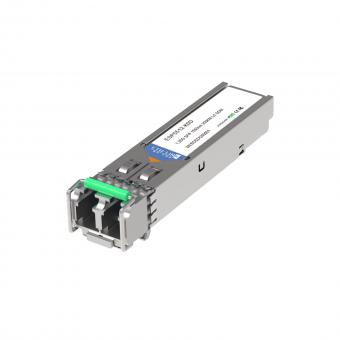
Оптический трансивер 1.25G SFP 1550 нм 200 км LC Читать далее
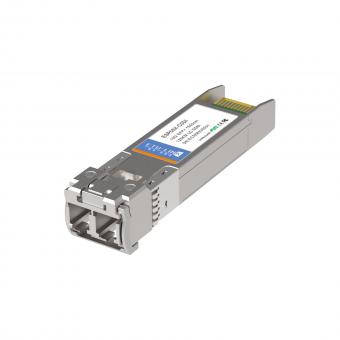
Оптический трансивер 10G SFP+ ZR 1550 нм 120 км LC Читать далее
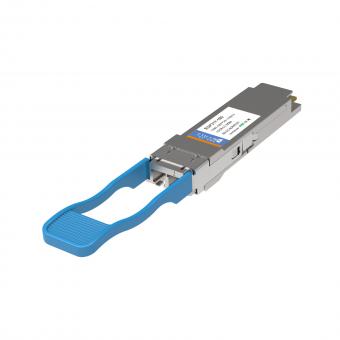
Оптический приемопередатчик 100G QSFP28 LR с одинарной лямбдой 10 км LC Читать далее
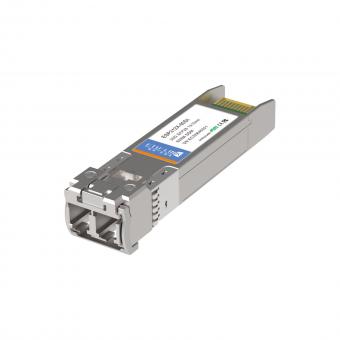
Оптический приемопередатчик 25G SFP28 ZR 1310 нм 80 км LC Читать далее
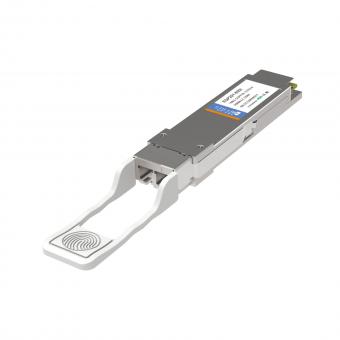
Оптический приемопередатчик 100G QSFP28 ZR4 80KM LC поколения II Читать далее
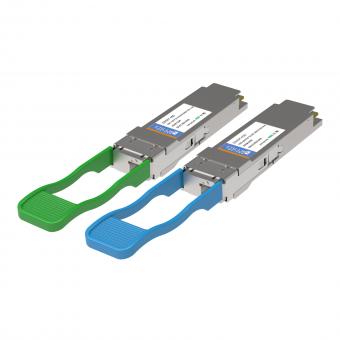
Оптический приемопередатчик 100G QSFP28 BIDI 40 км LC Читать далее
По вопросам о наших продуктах или прайс-листе, пожалуйста, оставьте нам, и мы свяжемся с вами в течение 24 часов.


 Factory: Right Side Of 3rd Floor, No. 102 Building, Longguan Expressway, Dalang Street, Longhua District, Shenzhen
Office: Floor 4, Building 4, Nanshan Yungu Phase ll, Taoyuan Community, XiliStreet,Nanshan District, Shenzhen
© Авторские права: 2026 ETU-Link Technology CO ., LTD Все права защищены.

Поддерживается сеть IPv6


