

 русский




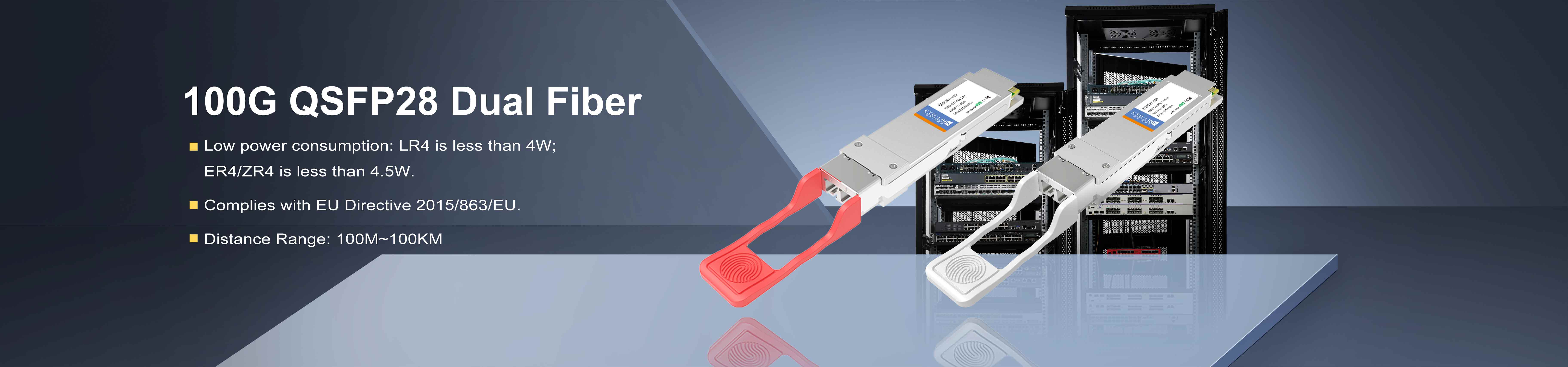
Какие наиболее распространённые неисправности встречаются в оптических модулях?
В центрах обработки данных, телекоммуникационных сетях и базовых станциях 5G оптические модули играют решающую роль в преобразовании фотоэлектрического сигнала. Сбои в работе этих модулей часто приводят к прерыванию связи, сбоям в обслуживании и неисчислимым потерям. Понимание распространенных типов отказов оптических модулей имеет основополагающее значение для эффективной эксплуатации и обслуживания сети, а также для оптимального выбора модулей.
I. Четыре распространенных типа неисправностей
Если пылезащитная заглушка не вставляется в оптический модуль своевременно во время использования, или если используется загрязненный соединительный кабель, пыль будет скапливаться на оптическом порту. Загрязнение торца увеличит потери в оптической связи, а в тяжелых случаях напрямую приведет к ее обрыву.
Электростатический разряд (ЭСР) происходит чрезвычайно быстро (время нарастания менее 1 нс), генерируя мощные электромагнитные импульсы в десятки кВ/м, которые могут мгновенно вывести из строя чувствительные компоненты. Статическое электричество также может притягивать пыль, изменяя импеданс цепи, что влияет на функциональность и сокращает срок службы.
Недостаточная оптическая мощность на передающем конце может привести к сбою оптической связи, в то время как избыточная оптическая мощность на приемном конце столь же опасна. Модули для передачи на большие расстояния (например, по спецификации 40 км) могут передавать оптическую мощность от +2 дБм до +5 дБм. При использовании непосредственно для передачи на короткие расстояния (например, 2 км) оптическая мощность на приемном конце значительно превысит порог перегрузки ROSA -8 дБм, что приведет к перегреву и выходу из строя PN-перехода.
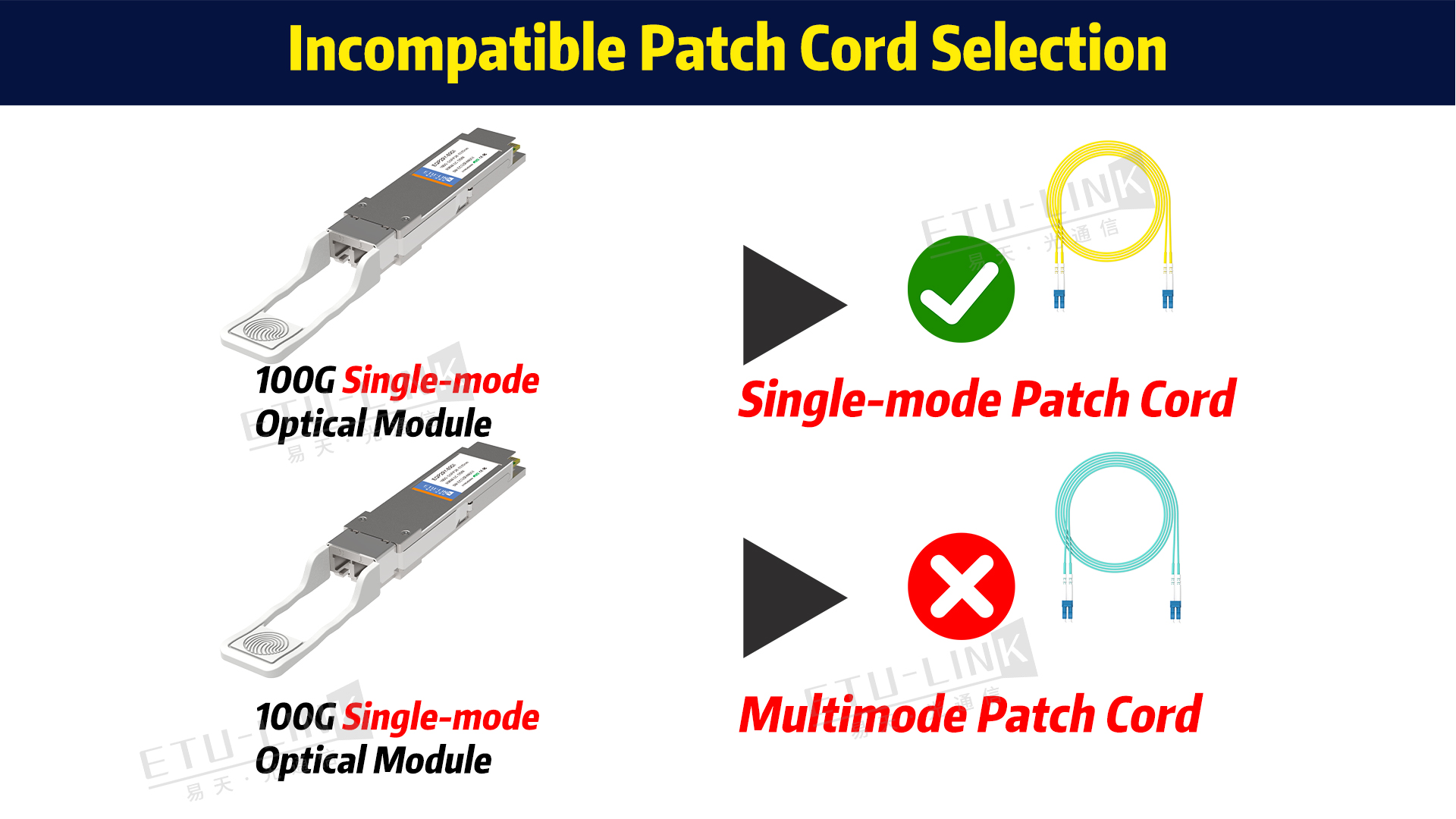
Стандартизированная эксплуатация — это первая линия защиты: когда оптические модули не используются, их необходимо надлежащим образом герметизировать пылезащитными заглушками, а во время работы следует носить антистатические браслеты, чтобы избежать контакта с золотыми контактами голыми руками. Функция DDM (цифровой диагностический мониторинг) является важнейшим средством профилактического контроля. Считывая такие параметры, как температура оптического модуля, напряжение, ток смещения и мощность передаваемого/принимаемого оптического сигнала, можно прогнозировать тенденцию старения лазера до возникновения неисправности. Большинство современных оптических модулей поддерживают функцию DDM; рекомендуется, чтобы обслуживающий персонал в полной мере использовал этот инструмент для перехода от реагирования на проблемы к профилактическому предотвращению.
В условиях вышеупомянутых сложных сценариев отказов выбор высоконадежного и совместимого оптического модуля имеет решающее значение для обеспечения стабильной работы сети. ETU-LINK Компания Optical Communication, ведущий отечественный производитель оптических модулей, создала комплексную систему обеспечения качества. Ее продукция совместима с основными марками сетевого оборудования, представленными на рынке, и поддерживает различные варианты упаковки, такие как... SFP, SFP+, QSFP+, QSFP28 и QSFP-DD охватывает все сценарии применения, включая центры обработки данных, корпоративные сети, базовые станции 5G и городские сети. Кроме того, ETU-LINK предоставляет расширенную трехлетнюю гарантию, а ее продукция прошла множество международных сертификаций, таких как... Соответствует стандартам CE, FCC и RoHS. .
Категории
Новый блог
Теги
новые продукты
100G QSFP28 ZR4 BIDI 80KM LC оптический трансивер Читать далее
Оптический трансивер 1.25G SFP 1550 нм 200 км LC Читать далее
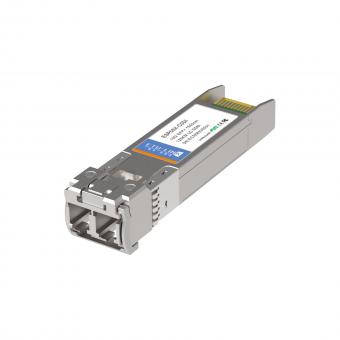
Оптический трансивер 10G SFP+ ZR 1550 нм 120 км LC Читать далее
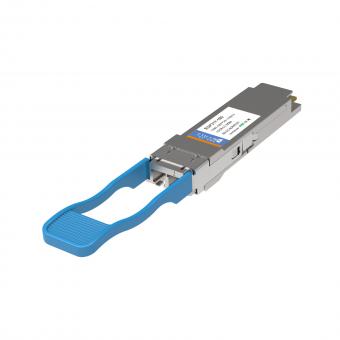
Оптический приемопередатчик 100G QSFP28 LR с одинарной лямбдой 10 км LC Читать далее
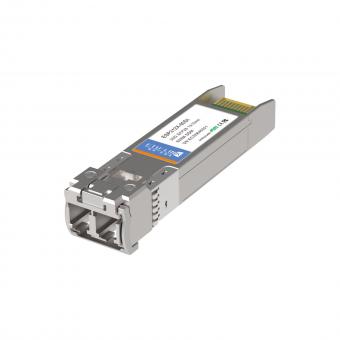
Оптический приемопередатчик 25G SFP28 ZR 1310 нм 80 км LC Читать далее
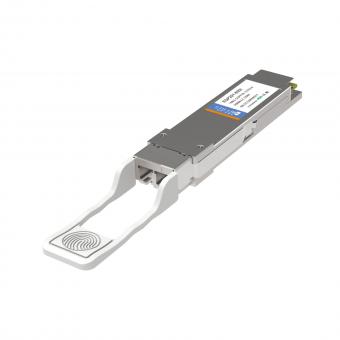
Оптический приемопередатчик 100G QSFP28 ZR4 80KM LC поколения II Читать далее
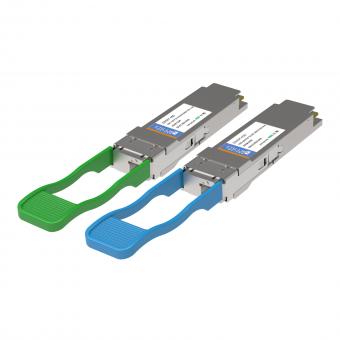
Оптический приемопередатчик 100G QSFP28 BIDI 40 км LC Читать далее
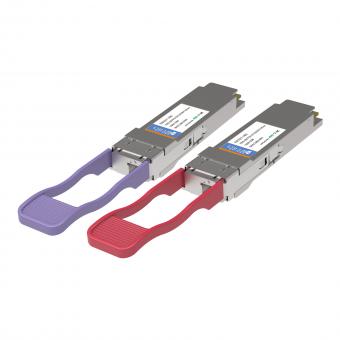
Оптический приемопередатчик 100G QSFP28 BIDI 10 км LC Читать далее
По вопросам о наших продуктах или прайс-листе, пожалуйста, оставьте нам, и мы свяжемся с вами в течение 24 часов.


 Factory: Right Side Of 3rd Floor, No. 102 Building, Longguan Expressway, Dalang Street, Longhua District, Shenzhen
Office: Floor 4, Building 4, Nanshan Yungu Phase ll, Taoyuan Community, XiliStreet,Nanshan District, Shenzhen
© Авторские права: 2026 ETU-Link Technology CO ., LTD Все права защищены.

Поддерживается сеть IPv6


