русский




Какой оптический модуль 400G выбрать? Разберитесь в основных различиях за 1 минуту!
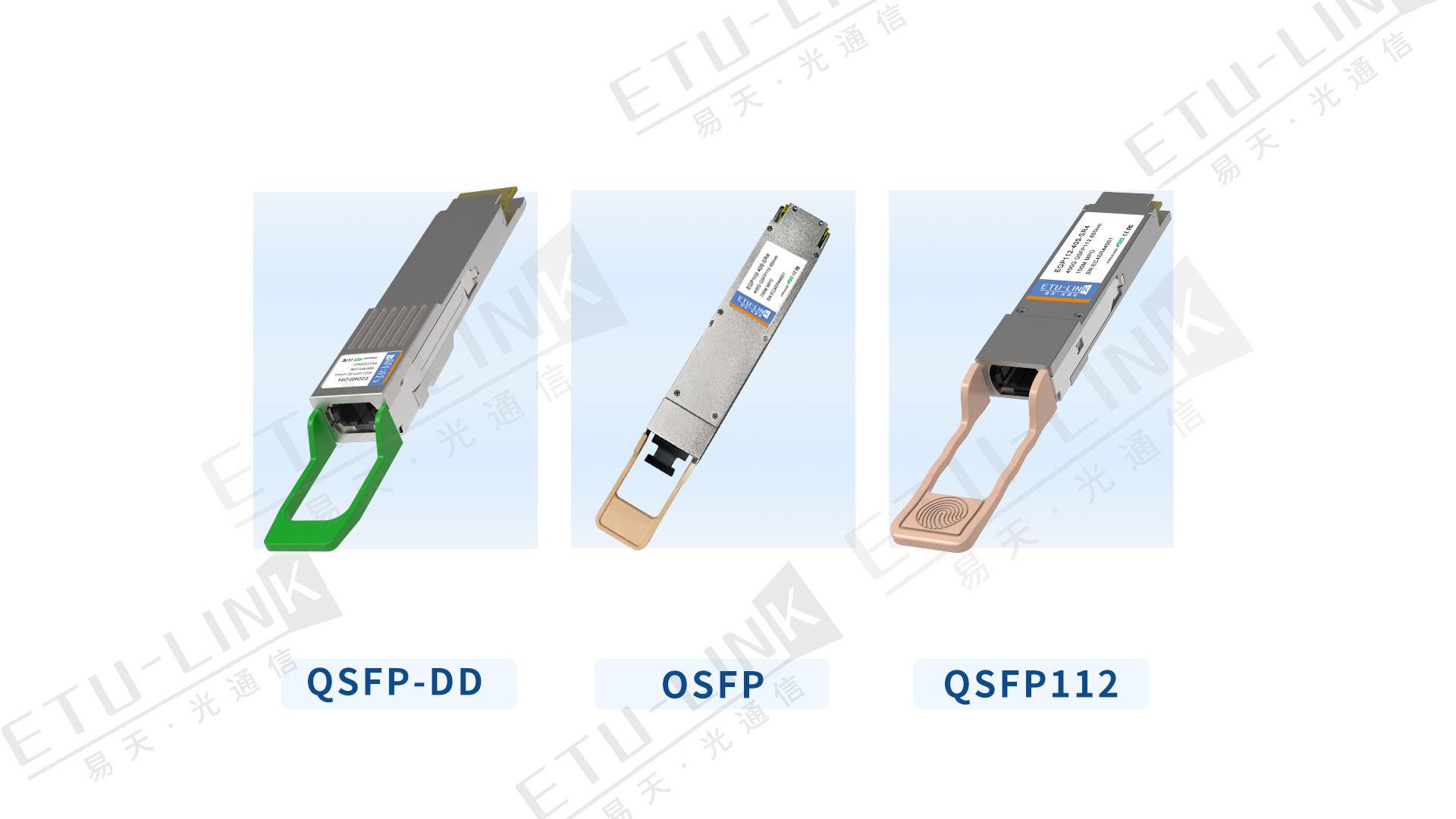
Когда клиенты спрашивают о требованиях к оптическому модулю 400G, вы тоже путаетесь в различиях между ними? QSFP-DD, OSFP и QSFP112 ?
Ниже представлено упрощенная сравнительная таблица и основные выводы чтобы помочь вам быстро удовлетворить потребности клиентов:
Комплексное сравнение вариантов упаковки оптических модулей 400G
С
сравнение
Тусклый
энции
В
SFP-DD
ОСФП
QSFP112
Число
б
эр
из Шанне
л
с
8 каналов
(Двухслойная конструкция)
8 каналов
4 канала
(вдвое быстрее, чем на одном канале)
Одинокий
Чан
н
эль
Ставка
25G NRZ / 50G PAM4
(В совокупности 400 Гб)
50G PAM4
(Некоторые решения поддерживают 100G PAM4)
112G PAM4
(номинальная скорость 106,25 Гбит/с)
Си
зе
Ширина увеличилась на 18,35 мм, глубина — примерно на 5,9 мм.
Ширина 22,58 мм, глубина 100,4 мм
(Наибольший объем)
Аналогично QSFP28
(ширина 18,35 мм, глубина 72,4 мм)
Теплоотводящая способность
Зависит от типа вентилятора устройства, тепловая мощность 12 Вт.
Встроенный металлический радиатор, верхняя крышка
поддерживает модули с высоким энергопотреблением >15 Вт.
Низкое энергопотребление (<10 Вт),
опирается на внешнее рассеивание тепла.
Совместимость
ит
Совместимо со слотами QSFP+/QSFP28 (требуется адаптер).
Требуется выделенный OSFP-слот.
t и несовместим
взаимодействуйте с экосистемой QSFP.
Поддерживаются только устройства 400G/800G, обратная совместимость отсутствует.
совместимость.
Типичный
Власть
Потребление
8-12 Вт
12-15 Вт
(Мощность мощных модулей может достигать 20 Вт и более)
<10 Вт
(значительное преимущество в низком энергопотреблении)
Основные сценарии применения
Внутреннее соединение центров обработки данных (магистральная/линейная сеть), сеть передачи данных 5G.
Взаимосвязь кластеров ИИ, высокопроизводительные вычисления и основные телекоммуникационные сети
Граничные вычисления, прямое подключение к серверу, DPU/NIC
Направление технологической эволюции
Приоритетом является совместимость, обеспечивающая плавный переход от 400G к 800G.
Предназначен для работы в сетях 800G/1.6T, имеет улучшенное рассеивание тепла и систему электропитания.
Основное внимание уделяется передаче данных на короткие расстояния со скоростью 400 Гбит/с, оптимизации занимаемого пространства и энергопотребления.
Преимущество в стоимости
Развитая экосистема, низкие затраты на обновление.
Этот модуль дорогостоящий (из-за сложной конструкции системы отвода тепла).
Компактный д
Конструкция снижает затраты на материалы, но требует нового оборудования.
поддержка.
Основной С выводы С клиент С выборы
1. Необходима совместимость с существующими сетями QSFP+? → Выберите QSFP-DD
Он обладает высокой совместимостью, поддерживает плавный переход от 400G к 800G и подходит для межсоединений центров обработки данных и сетей передачи данных 5G.
2. Ищу оптические приборы. модули с высоким теплоотводом и высоким энергопотреблением (например, когерентные оптические модули)? → Выберите OSFP
Он обладает самой высокой теплоотдачей и подходит для таких сценариев, как кластеры искусственного интеллекта и высокопроизводительные вычисления, где все порты работают на полной нагрузке.
3. Ограниченное пространство или необходимость в низком энергопотреблении и низкой задержке? → Выберите QSFP112
Благодаря компактному дизайну и минимальной задержке, он идеально подходит для передачи данных на короткие расстояния, например, в периферийных вычислениях, при прямом подключении к серверам и сетевыми адаптерами/блоками обработки данных.
Добро пожаловать на дальнейшее обсуждение!
Предыдущий :
Что такое PAM4 и NRZ?Следующий :
Как упростить выбор медного трансивера RJ45 SFPКатегории
Новый блог
Теги
новые продукты
Оптический трансивер 800G OSFP 2×DR4 1310nm 500M MPO12 с DDM Читать далее
100G QSFP28 ZR4 BIDI 80KM LC оптический трансивер Читать далее
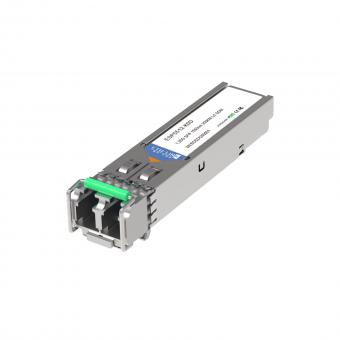
Оптический трансивер 1.25G SFP 1550 нм 200 км LC Читать далее
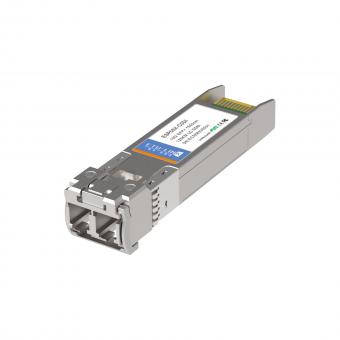
Оптический трансивер 10G SFP+ ZR 1550 нм 120 км LC Читать далее
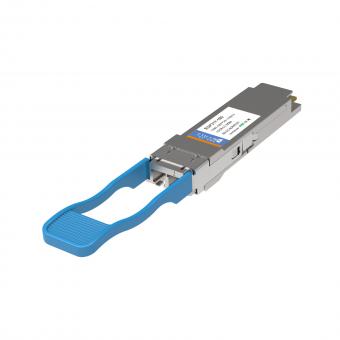
Оптический приемопередатчик 100G QSFP28 LR с одинарной лямбдой 10 км LC Читать далее
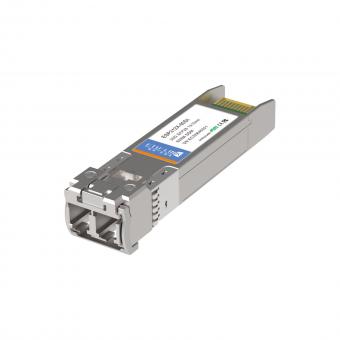
Оптический приемопередатчик 25G SFP28 ZR 1310 нм 80 км LC Читать далее
Оптический приемопередатчик 100G QSFP28 ZR4 80KM LC поколения II Читать далее
Оптический приемопередатчик 100G QSFP28 BIDI 40 км LC Читать далее
По вопросам о наших продуктах или прайс-листе, пожалуйста, оставьте нам, и мы свяжемся с вами в течение 24 часов.


 Factory: Right Side Of 3rd Floor, No. 102 Building, Longguan Expressway, Dalang Street, Longhua District, Shenzhen
Office: Floor 4, Building 4, Nanshan Yungu Phase ll, Taoyuan Community, XiliStreet,Nanshan District, Shenzhen
© Авторские права: 2026 ETU-Link Technology CO ., LTD Все права защищены.

Поддерживается сеть IPv6