

 русский




What is DSP?
Let’s Talk About the “Invisible Ears” and “Smart Brains” Hidden Within the Internet of Everything.
Have you ever wondered how your phone can accurately recognize your voice when you say "Hey Siri" in a noisy environment? How does radar transmit signals to the vehicle's computer in milliseconds when it detects an obstacle in front of the vehicle to make a braking decision?
Behind these "smart moments" that you've become accustomed to is a low-key yet powerful behind-the-scenes force— DSP , short for Digital Signal Processor.
The “D” in DSP stands for “Digital Signal Processor.” However, a more intuitive way to understand it is: Digital, Signal, and Processor.
If we compare a general-purpose CPU to a jack-of-all-trades, then a DSP is a math whiz specializing in a specific field.
For example, if you're making a call in a noisy restaurant with background noise from people, dishes, and music, the DSP acts like the auditory cortex in your brain, filtering out ambient noise in real time and clearly extracting and transmitting the other person's voice. From another perspective—it's more like a highly specialized combination of a digital ear and an intelligent computing brain.
Ⅰ.How powerful is a DSP?
Its core design goals are to achieve high real-time performance, high parallelism, and low power consumption. Typical features include a Harvard architecture with separate instruction and data memory and bus, and integrated dedicated hardware multiply-accumulate units, making it adept at performing intensive mathematical operations such as filtering and transformation. In simpler terms, it is much faster and more energy-efficient than general-purpose processors when it comes to "doing these kinds of math problems".
Ⅱ.DSP applications are everywhere
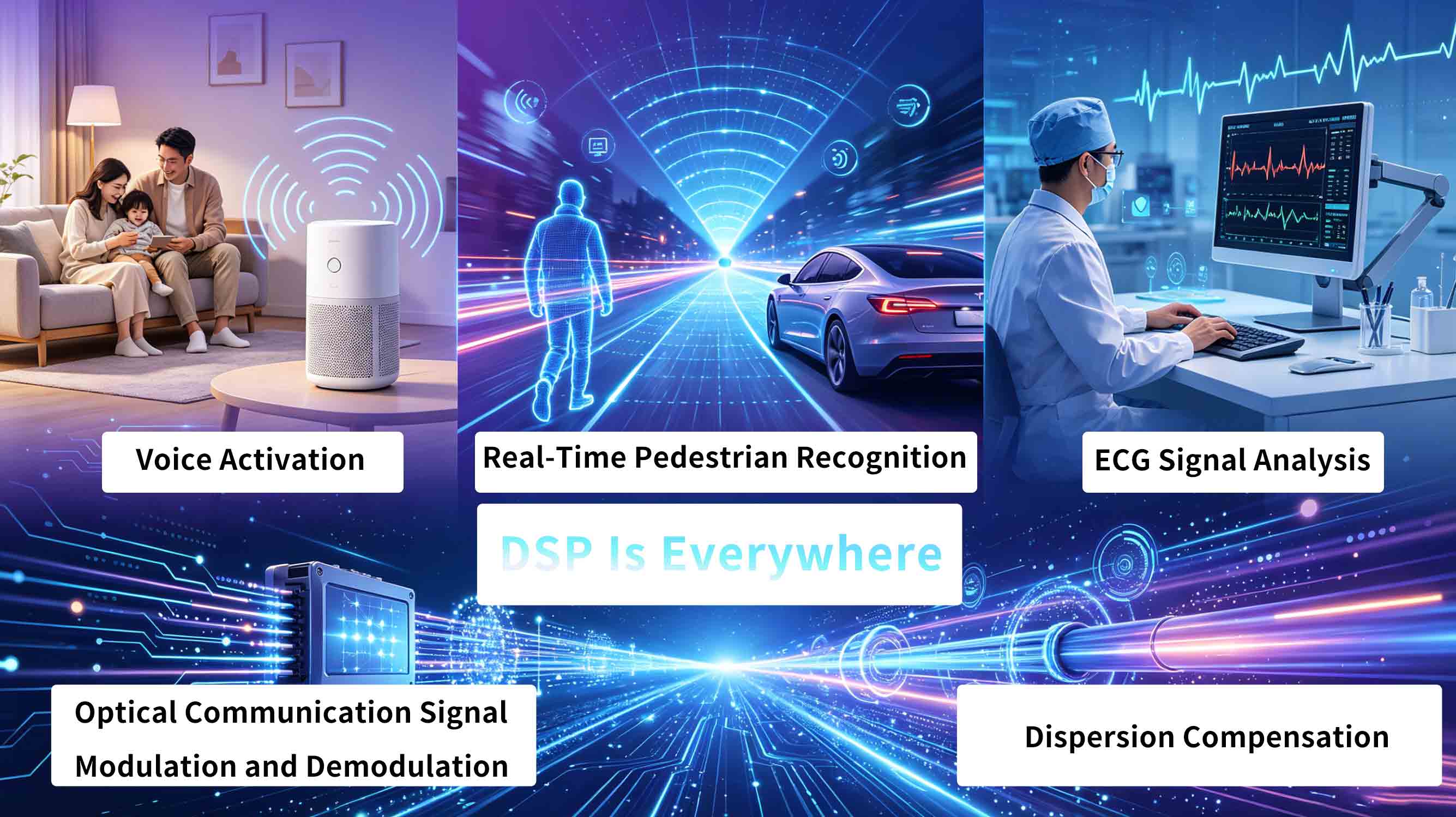
From voice wake-up in smart speakers to real-time pedestrian detection by vehicle radar, and ECG signal analysis in medical devices—DSP has permeated every corner of our lives.
In the field of optical communication, DSP also play an indispensable role. Whether it is signal modulation and demodulation in high-speed optical modules or dispersion compensation in long-distance transmission, the powerful computing capabilities of DSP are indispensable.
As a professional brand in China's optical communication field, ETU-Link Technology Co., Ltd. has been providing reliable high-speed optical module solutions for data centers, 5G and other scenarios. From 1.25G to 800G and then to the pre-research of 1.6T, its product line covers more than 100 countries and regions around the world. In the words of ETU-LINK employees, "We must know how far the signal can go."
Ⅲ.The future will be even more exciting
With the rollout of 5G, the popularization of autonomous driving, and the rise of edge AI, DSP are continuously evolving towards multi-core and lower power consumption. It is foreseeable that this "digital ear" hidden within the chip will make even more intelligent judgments for us in the future.
Предыдущий :
Strategic Planning of US Data Center GiantsСледующий :
Что такое TEC в оптических модулях?Категории
Новый блог
Теги
новые продукты
Оптический трансивер 800G OSFP 2×DR4 1310nm 500M MPO12 с DDM Читать далее
100G QSFP28 ZR4 BIDI 80KM LC оптический трансивер Читать далее
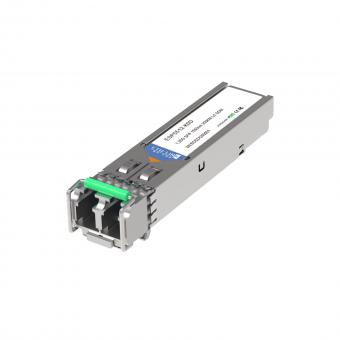
Оптический трансивер 1.25G SFP 1550 нм 200 км LC Читать далее
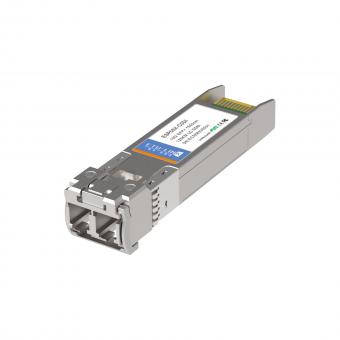
Оптический трансивер 10G SFP+ ZR 1550 нм 120 км LC Читать далее
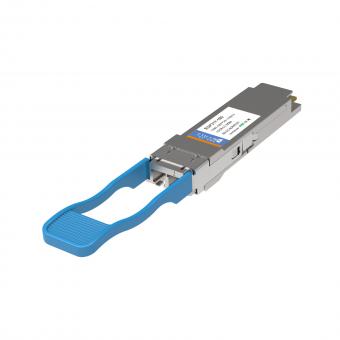
Оптический приемопередатчик 100G QSFP28 LR с одинарной лямбдой 10 км LC Читать далее
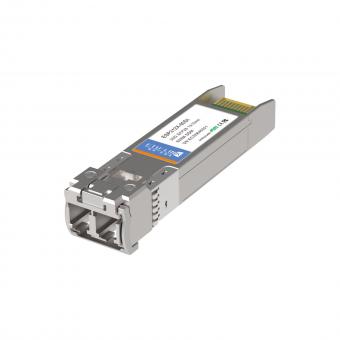
Оптический приемопередатчик 25G SFP28 ZR 1310 нм 80 км LC Читать далее
Оптический приемопередатчик 100G QSFP28 ZR4 80KM LC поколения II Читать далее
Оптический приемопередатчик 100G QSFP28 BIDI 40 км LC Читать далее
По вопросам о наших продуктах или прайс-листе, пожалуйста, оставьте нам, и мы свяжемся с вами в течение 24 часов.


 Factory: Right Side Of 3rd Floor, No. 102 Building, Longguan Expressway, Dalang Street, Longhua District, Shenzhen
Office: Floor 4, Building 4, Nanshan Yungu Phase ll, Taoyuan Community, XiliStreet,Nanshan District, Shenzhen
© Авторские права: 2026 ETU-Link Technology CO ., LTD Все права защищены.

Поддерживается сеть IPv6


