русский




Каковы ключевые компоненты оптических модулей 800G/1.6T?
В связи с быстрым расширением вычислительных кластеров ИИ и крупных центров обработки данных отрасль оптической связи ускоряет переход от крупномасштабного коммерческого использования 400G к 800G и мелкосерийному пробному производству 1,6T. Суть модернизации высокоскоростных оптических модулей заключается не просто в увеличении скорости, а в технологических инновациях в области ключевых оптоэлектронных материалов. В сценариях передачи 800G/1,6T,пластины Фарадея,чипы,кремниевые фотонные чипы, и чипы DSPявляются четырьмя ключевыми материалами, влияющими на стабильность модуля, характеристики передачи, интеграцию и стоимость, играя решающую роль в стабильной передаче по оптическому пути, электрооптическом преобразовании и комплексной модернизации.
I. Ключевые компоненты: Основа производительности высокоскоростных оптических модулей
1. Фарадея Ротатор: «Односторонний защитный шлюз» оптического канала.
Являясь ядром оптического изолятора, ротатор Фарадея использует магнитооптический эффект для обеспечения однонаправленной передачи оптических сигналов с целью защиты лазера. Модуль 800G/1,6T требует нескольких совместимых пластин, и их характеристики напрямую определяют надежность модуля. Его технические барьеры сосредоточены в магнитооптических кристаллах (TSAG/TGG для высококлассных применений), обработке микронного уровня и высокоточной нанесении покрытий. Цикл сертификации заказчика длительный, а отрасль характеризуется сильной монополизацией.
2. Чип EML: «Двигатель передачи» традиционных высокоскоростных оптических модулей
EML (электропоглощающий модулированный лазер) является ключевым передающим чипом высокоскоростных оптических модулей средней и дальней дальности. Он объединяет лазер DFB и модулятор, подходит для передачи на расстояния более 2 км и широко используется в телекоммуникационных магистральных сетях и межрегиональной передаче данных. Его основные барьеры связаны с эпитаксиальным ростом InP, проектированием многоквантовых ям и другими технологиями. Лишь несколько компаний, таких как Lumentum, способны стабильно производить его массово, а технический порог крайне высок.
3. Кремниевый фотонный чип: «Прорывное решение» для интеграции.
Кремниевые фотонные чипы интегрируют оптические компоненты на основе технологии CMOS, что значительно снижает энергопотребление, размер и стоимость модулей. Они подходят для сценариев 1,6T и CPO и являются предпочтительным выбором для короткодистанционного соединения внутри 500 метров в центрах обработки данных ИИ. Основные барьеры связаны с процессом интеграции кремниевой фотоники и корпусированием с сопряжением, при этом главными техническими вызовами являются оптические потери и эффективность сопряжения.
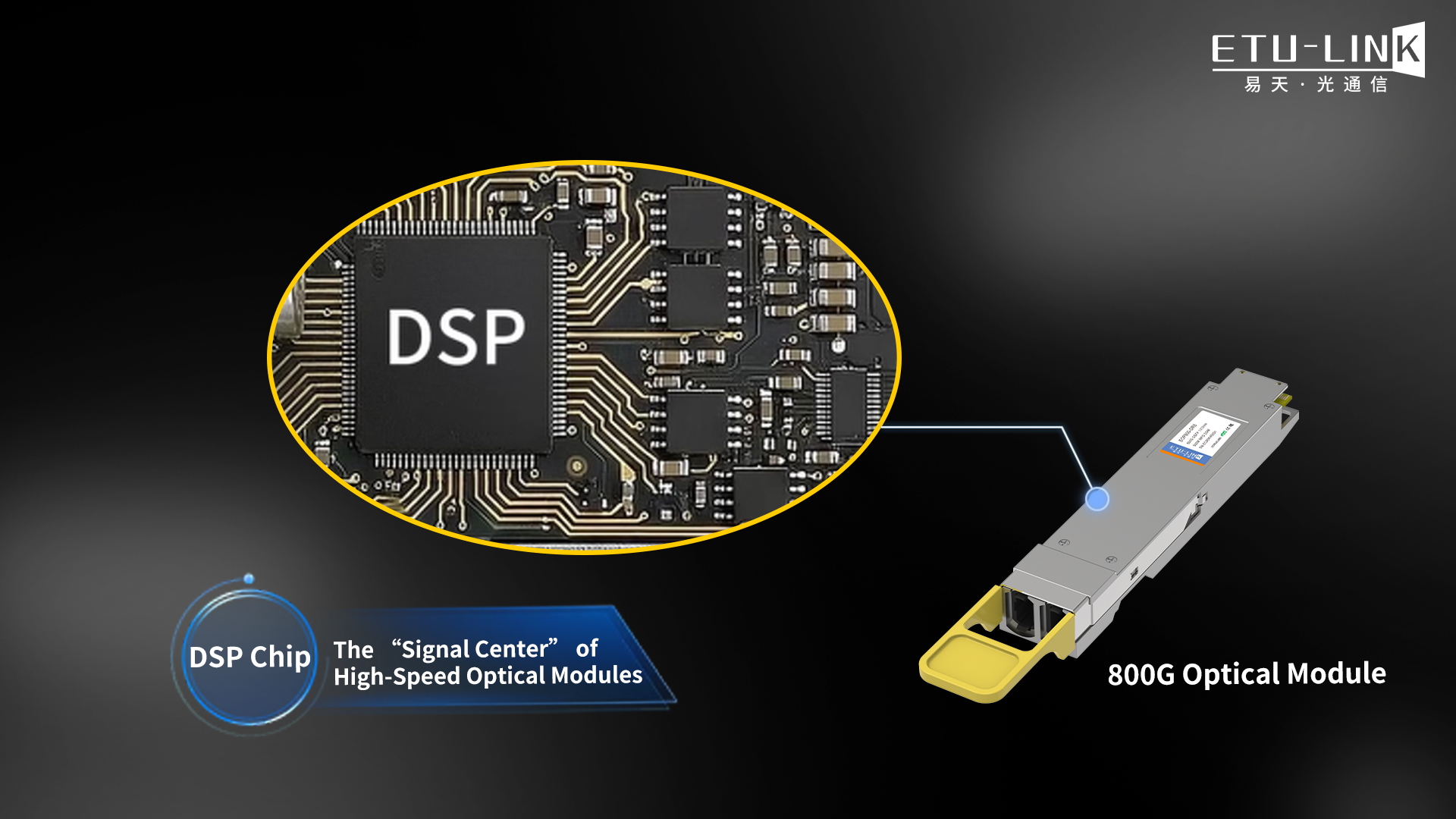
4. Чип DSP: «Сигнальный центр» высокоскоростных оптических модулей
Чипы DSP (цифровой обработки сигналов) являются основным интеллектуальным центром обработки сигналов высокоскоростных оптических модулей. Они отвечают за кодирование, декодирование, эквализацию, снижение шума и компенсацию искажений оптических сигналов. Они эффективно компенсируют потери сигнала и перекрестные помехи при высокоскоростной передаче на большие расстояния и обеспечивают стабильную передачу данных. Ключевые технологические барьеры заключаются в высокоскоростных ADC/DAC, проектировании высокоскоростных схем, архитектуре алгоритмов, передовых процессах изготовления кристаллов и возможностях совместной адаптации оптоэлектроники.
II. Сравнение направлений: у каждого есть свой фокус; они дополняют друг друга и сосуществуют.
Измерения сравнения
EML
(с опорой на ротаторы Фарадея)
Кремниевая фотоника
(обход ограничения вращающегося диска)
Ключевые зависимости
ротаторы Фарадея, чипы EML
(оба подвержены монополиям)
Процесс интеграции кремниевой фотоники и внешний источник непрерывного излучения (значительный потенциал для независимого управления).
Передача Расстояние
Отличная адаптируемость для сценариев средней и дальней связи (2 км и более).
Отличная адаптируемость для сценариев связи на коротких расстояниях до 500 метров.
Энергопотребление и размер
Высокое энергопотребление, крупный форм-фактор и ограниченная интеграция
Энергопотребление снижено более чем на 30%, размер уменьшен на 70–80%, высокая степень интеграции.
Потенциал стоимости
Ключевые компоненты зависят от импорта, что ограничивает потенциал долгосрочного снижения стоимости.
Используя преимущества технологии крупномасштабного производства по CMOS-процессу, имеется значительный потенциал для долгосрочного снижения стоимости.
Применимые сценарии
Магистральные телекоммуникационные сети, межрегиональная передача данных, сценарии дальней связи
Межсоединения на коротких расстояниях в центрах обработки данных ИИ, совместная упаковка CPO, сценарии высокоплотной интеграции
Сложность локализации
Высокая (двойное «узкое место» ферродалеко вращателей и чипов EML)
Средняя (ключевые узкие места сосредоточены на процессах интеграции и развитии промышленной экосистемы)
Чип DSP совместимость
Требуется внешний чип DSP, предъявляются строгие требования к его производительности и возможностям обработки сигналов. Основные решения в значительной степени зависят от зарубежных чипов.
Может быть глубоко адаптирован к отечественным чипам DSP, имеет низкие требования к производительности, широкие возможности для отечественной адаптации, что позволяет совместно разрабатывать чипы и снижать стоимость системы.
III. Проблемные точки цепочки поставок: двойная угроза зарубежной монополии и закрепления производственных мощностей
1. Фарадеевский ротор: Зарубежная монополия + сокращение поставок, огромный внутренний дефицит
Мировой рынок высококлассных фарадеевских роторов монополизирован японской компанией Granopt и американской Coherent. Эти два гиганта сократят поставки в 2025–2026 годах, что приведёт к глобальному дефициту высококлассной продукции примерно на 50%. Между тем отечественные спиральные пластины в основном относятся к продукции низкого и среднего класса, массовое производство высококлассных спиральных пластин TSAG отсутствует, а сертификация клиентов отстаёт. В краткосрочной перспективе будет сложно устранить этот разрыв.
2. Чипы EML: закрепление производственных мощностей + разрывы в выходе годных изделий делают дефицит отдельных чипов нормой
В 2026 году глобальный дефицит чипов EML превысит 150 миллионов единиц. Зарубежные гиганты закрепили производственные мощности посредством долгосрочных контрактов, в результате чего Китай зависит от импорта большинства таких чипов. Китай способен стабильно производить массово только чипы EML 100G, тогда как чипы 200G всё ещё находятся на стадии верификации и имеют длительный цикл расширения производства. Этот дефицит будет сохраняться до 2027 года.
3. Кремниевые фотонные чипы: технические барьеры + стремительный рост затрат, узкие места крупномасштабного массового производства.
Цепочка поставок уязвима из-за зависимости от импорта, а дефицит привёл к росту цен. Существует нехватка мощностей литейного производства и недостаточный выход годных изделий. Высококлассные чипы монополизированы зарубежными компаниями. Технологии корпусирования и тестирования сложны и дороги. Отрасль имеет длительный цикл верификации и высокие барьеры входа. В сочетании с резким ростом спроса на ИИ, медленным расширением производственных мощностей и внешними политическими рисками цепочка поставок легко попадает под иностранный контроль, что затрудняет развитие отечественной замены.
4. Чипы DSP: консолидированная структура рынка + значительный технологический разрыв затрудняют отечественную замену
Зарубежные лидирующие компании долгое время монополизировали мировой рынок высококлассных чипов DSP. В 2026 году спрос в отрасли резко вырос, а производственные мощности были закреплены зарубежными компаниями, что привело к продолжительному дефициту поставок. Доля отечественного производства в этой категории продукции низкая, существуют технологические, производственные и инструментальные разрывы. В сочетании с такими проблемами, как стоимость, сертификация и производственные мощности, прогресс отечественной замены идёт медленно. Кроме того, продолжающийся рост спроса в таких областях, как ИИ и высокоскоростная оптическая связь, ещё больше усугубляет дисбаланс между спросом и предложением.
IV. Заключение
Постепенный переход от 800G к 1,6T является важным окном возможностей для оптической коммуникационной отрасли Китая, позволяющим преодолеть зарубежную монополию и добиться самостоятельного прорыва. В настоящее время отрасль сформировала модель замещения отечественными технологиями, где лидирующую роль играет кремниевая фотоника, а DSP-чипы, роторы Фарадея и EML-чипы ускоренными темпами сокращают отставание.
В следующие 1–2 года, благодаря освоению ключевых технологий для четырёх основных материалов, оптимизации структуры производственных мощностей высокого класса, созданию промышленной экосистемы сотрудничества и усилению поддержки со стороны политики и кадровых ресурсов, отечественная цепочка производства оптических модулей преодолеет дилемму «узкого места» и достигнет скачкообразного развития — от последователя технологий до мирового лидера по мере реализации технологических прорывов и расширения производственных мощностей.
Наконец, ETU-Link ETU-Link постоянно совершенствуется и совершает новые прорывы, накапливая потенциал в новых направлениях. Мы с нетерпением ожидаем углублённого сотрудничества и обмена ресурсами с лидерами отрасли в новых областях. Свяжитесь с нами для обсуждения бизнеса и сотрудничества в любое время!
Категории
Новый блог
Теги
новые продукты
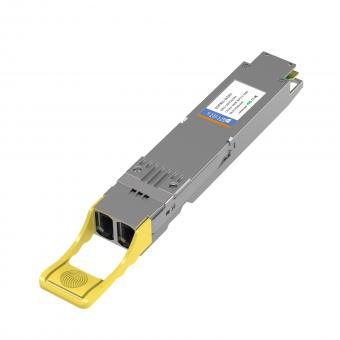
Оптический трансивер 800G OSFP 2×DR4 1310nm 500M MPO12 с DDM Читать далее
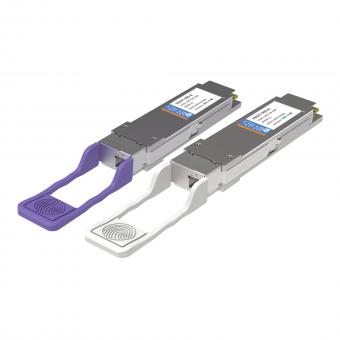
100G QSFP28 ZR4 BIDI 80KM LC оптический трансивер Читать далее
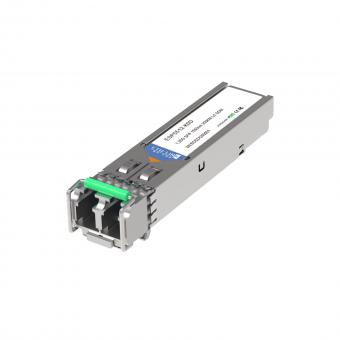
Оптический трансивер 1.25G SFP 1550 нм 200 км LC Читать далее
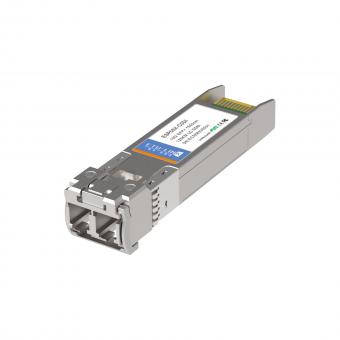
Оптический трансивер 10G SFP+ ZR 1550 нм 120 км LC Читать далее
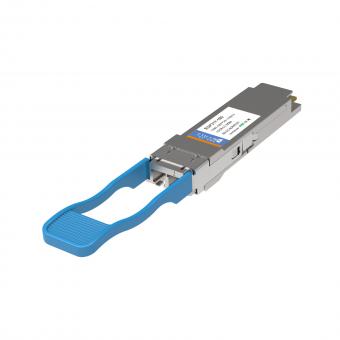
Оптический приемопередатчик 100G QSFP28 LR с одинарной лямбдой 10 км LC Читать далее
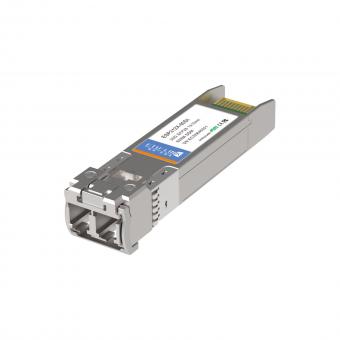
Оптический приемопередатчик 25G SFP28 ZR 1310 нм 80 км LC Читать далее
Оптический приемопередатчик 100G QSFP28 ZR4 80KM LC поколения II Читать далее
Оптический приемопередатчик 100G QSFP28 BIDI 40 км LC Читать далее
По вопросам о наших продуктах или прайс-листе, пожалуйста, оставьте нам, и мы свяжемся с вами в течение 24 часов.


 Factory: Right Side Of 3rd Floor, No. 102 Building, Longguan Expressway, Dalang Street, Longhua District, Shenzhen
Office: Floor 4, Building 4, Nanshan Yungu Phase ll, Taoyuan Community, XiliStreet,Nanshan District, Shenzhen
© Авторские права: 2026 ETU-Link Technology CO ., LTD Все права защищены.

Поддерживается сеть IPv6