

 русский




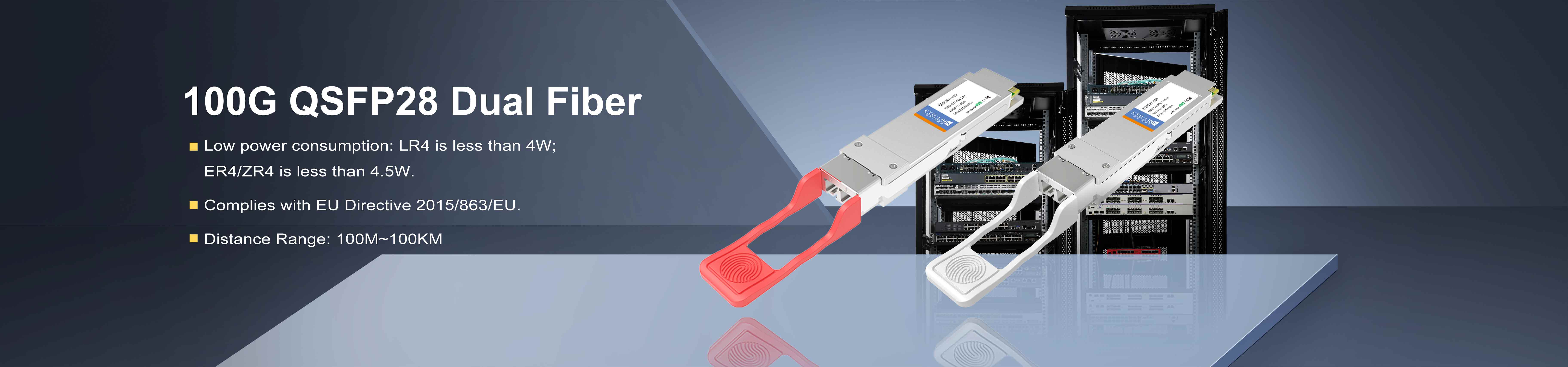
Руководство по выбору волоконно-оптических кабелей: одномодовые и многомодовые
Многие сталкиваются с ключевым вопросом при создании сети: следует ли использовать многомодовое или одномодовое волокно? Сегодня...
ETU-LINK
Мы подробно объясним различия между ними, чтобы помочь вам сделать наиболее экономичный и эффективный выбор.
I. Основной принцип: Различные методы пропускания света
Как следует из названия, «мода» обозначает траекторию распространения света в оптическом волокне.
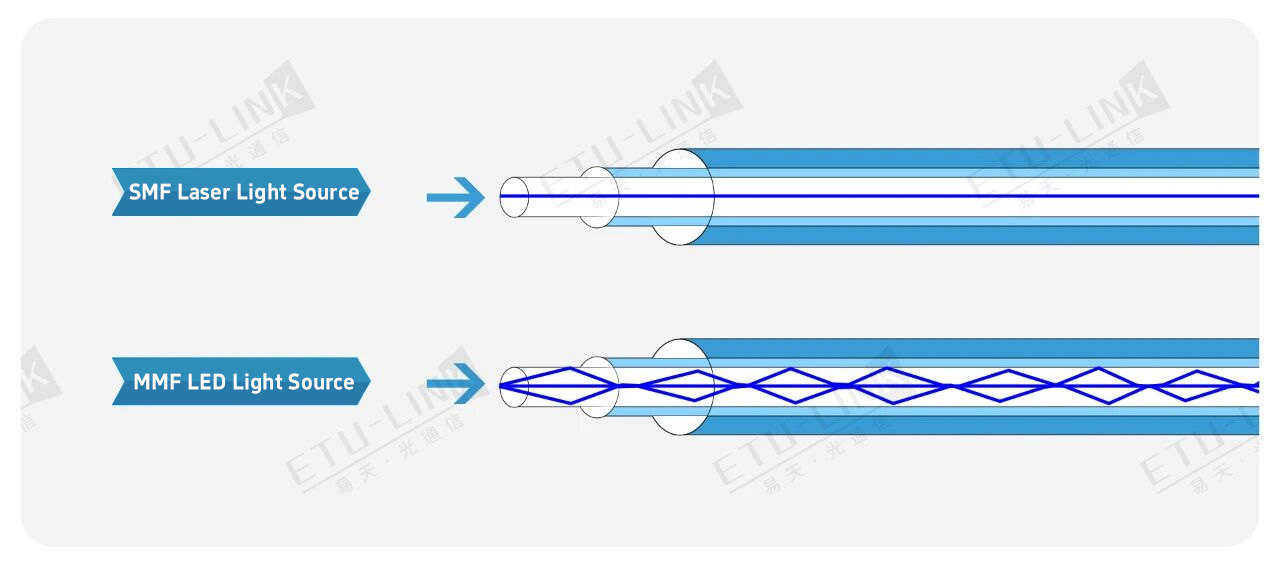
В одномодовом оптоволокне (SMF) свет распространяется по одному пути, а источник света использует лазер для создания высококонцентрированного направленного луча.
В многомодовом оптоволокне (MMF) свет распространяется по нескольким путям, при этом дальность передачи обычно составляет менее 2 км. В качестве источника света используются светодиоды (LED), и свет имеет большой угол расходимости.
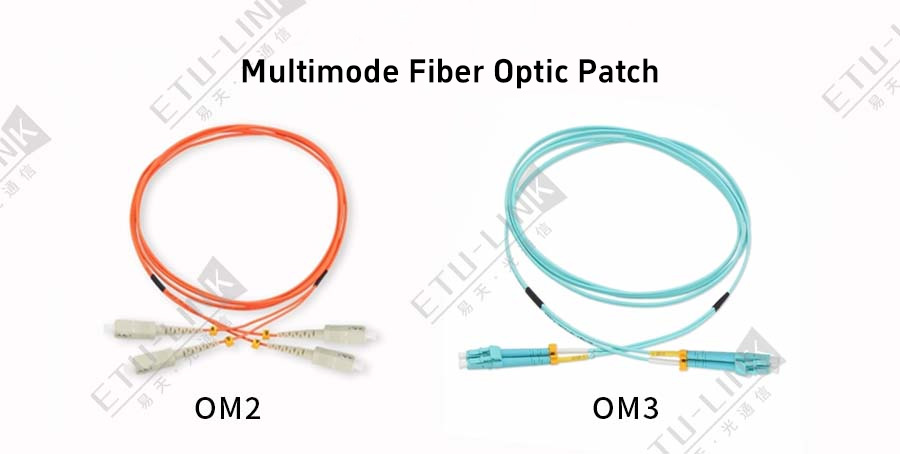
Многорежимный
Ф
iber:
с диаметром сердечника 50
μ
м-100
μ
m, рабочие длины волн 850 нм или 1310 нм, и относительно легко согласуется с оптическими устройствами. Он может передавать несколько мод на заданной рабочей длине волны.
Многомодовое волокно способно передавать данные на большие расстояния. Обычно диаметр сердцевины многомодового волокна составляет 50 мм.
μ
м и 62,5
μ
м.
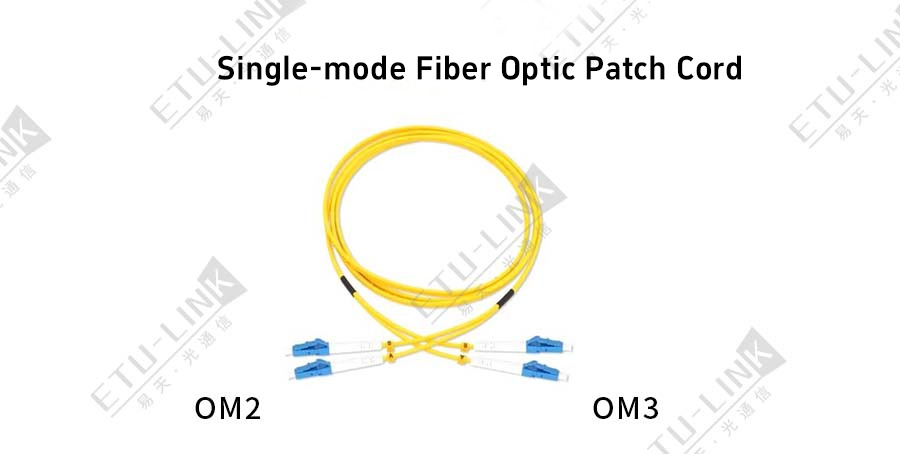
II. Сравнение ключевых параметров
Для лучшего понимания мы создали следующую сравнительную таблицу:
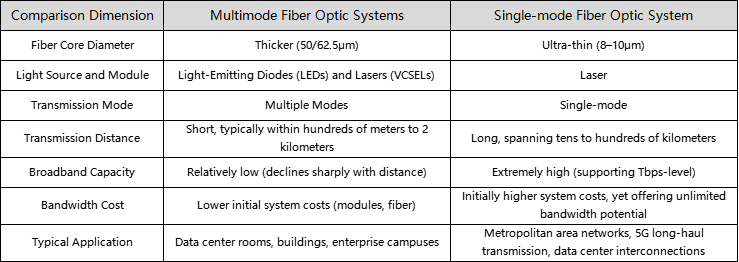
III. Как сделать выбор? Это зависит от ситуации!
Между многомодовыми и одномодовыми системами нет абсолютного превосходства или неполноценности; ключевое значение имеют требования к применению.
(1). Сценарии, требующие выбора нескольких режимов:
• Внутри центра обработки данных: Для соединений между серверными стойками и между этажами (расстояние ≤ 400 метров) рекомендуется использовать многомодовое оптоволокно OM3/OM4 с модулем 100G QSFP28 SR4.
• Корпоративная локальная сеть: прокладка кабелей на короткие расстояния внутри офисных зданий и промышленных зон с контролируемыми затратами и удобным монтажом.
• Сеть хранения данных (SAN): сценарии высокоскоростного соединения на коротких расстояниях, например, 32G Fibre Channel.
• Модернизация существующей многомодовой кабельной системы: плавное расширение пропускной способности может быть достигнуто с помощью совместимых модулей (например, 40G QSFP+ SR4).
(2). Сценарии для режима меню:
• Построение городских сетей/магистральных сетей: передача данных на большие расстояния между городами и регионами (например, модуль 10G SFP+ 120 км с оптоволокном OS2).
• Транспортировка данных от базовой станции 5G: сценарии, требующие стабильной передачи на расстояния, превышающие 2 км.
• Data Center Interconnect (DCI): резервное копирование и синхронизация данных на большие расстояния, поддержка модулей 100G LR4/ER4 и других.
• Промышленное применение: Для дальней связи в суровых условиях можно выбрать одномодовые модули промышленного класса (-40℃-85℃).
IV. Профессиональные консультации от ETU-LINK
Основной принцип заключается в использовании многомодового режима для коротких расстояний и одномодового для длинных. Однако для средних расстояний (например, от 500 метров до 2 километров) необходимо всесторонне учитывать текущие затраты и планы на будущее.
ETU-LINK
Компания Optical Communication, как профессиональный производитель модулей, предлагает оптические модули 1G-400G, волоконно-оптические кабели и другую продукцию. Приглашаем к сотрудничеству!
Категории
Новый блог
Теги
новые продукты
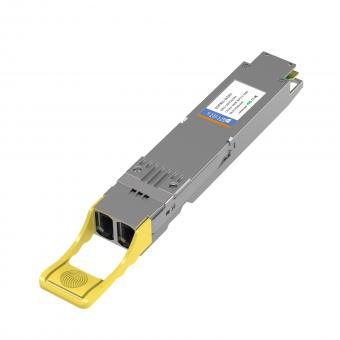
Оптический трансивер 800G OSFP 2×DR4 1310nm 500M MPO12 с DDM Читать далее
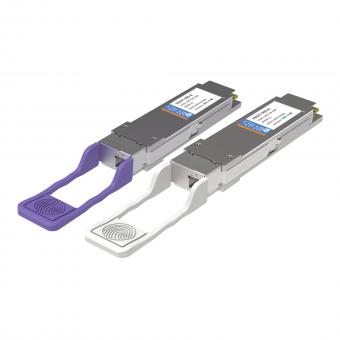
100G QSFP28 ZR4 BIDI 80KM LC оптический трансивер Читать далее
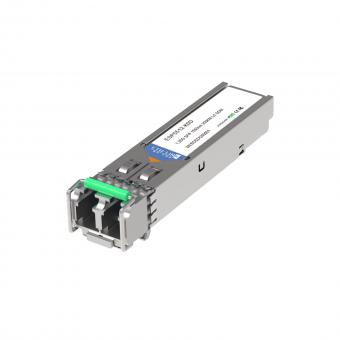
Оптический трансивер 1.25G SFP 1550 нм 200 км LC Читать далее
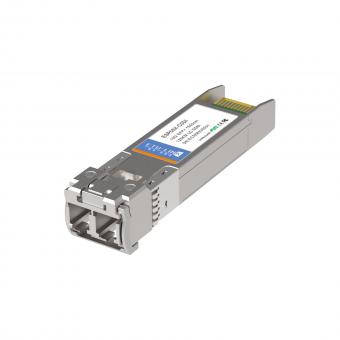
Оптический трансивер 10G SFP+ ZR 1550 нм 120 км LC Читать далее
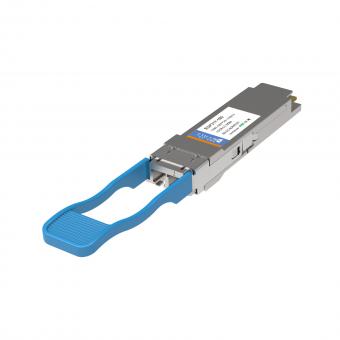
Оптический приемопередатчик 100G QSFP28 LR с одинарной лямбдой 10 км LC Читать далее
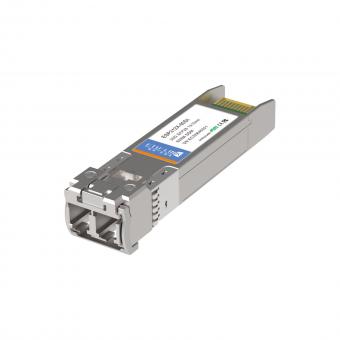
Оптический приемопередатчик 25G SFP28 ZR 1310 нм 80 км LC Читать далее
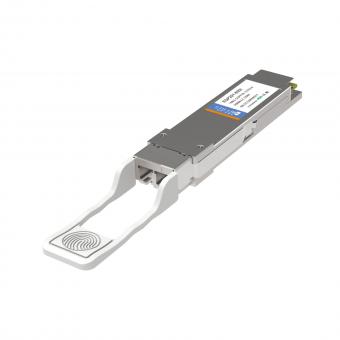
Оптический приемопередатчик 100G QSFP28 ZR4 80KM LC поколения II Читать далее
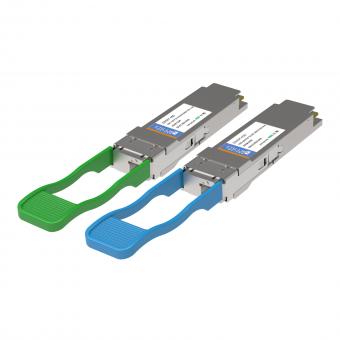
Оптический приемопередатчик 100G QSFP28 BIDI 40 км LC Читать далее
По вопросам о наших продуктах или прайс-листе, пожалуйста, оставьте нам, и мы свяжемся с вами в течение 24 часов.


 Factory: Right Side Of 3rd Floor, No. 102 Building, Longguan Expressway, Dalang Street, Longhua District, Shenzhen
Office: Floor 4, Building 4, Nanshan Yungu Phase ll, Taoyuan Community, XiliStreet,Nanshan District, Shenzhen
© Авторские права: 2026 ETU-Link Technology CO ., LTD Все права защищены.

Поддерживается сеть IPv6


