

 русский




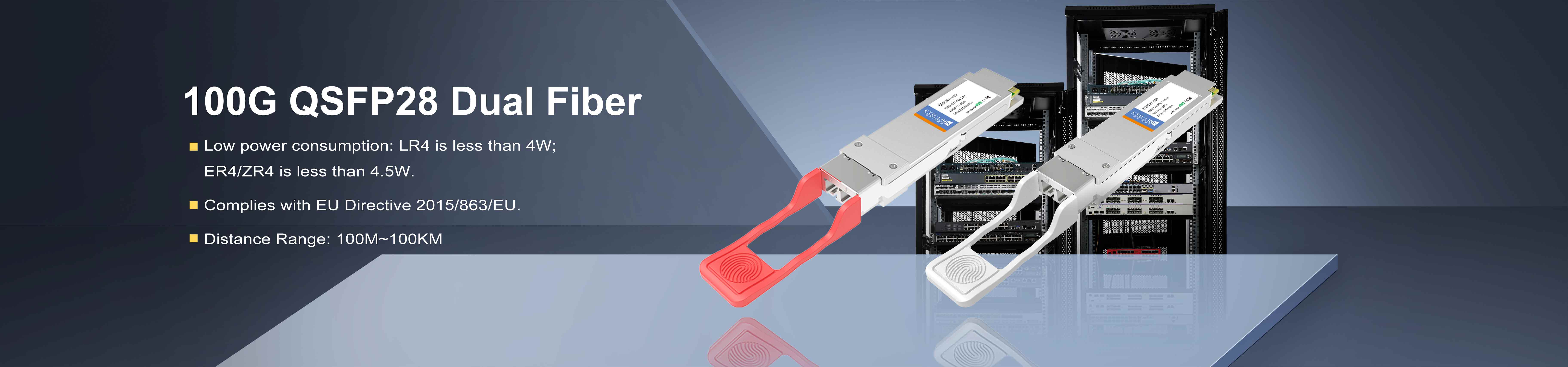
Битва технологий оптических модулей 400G против 800G
Взрывной рост спроса на вычислительные мощности для искусственного интеллекта подталкивает центры обработки данных к критической точке перехода к модернизации. В перспективе, к 2026 году, борьба между оптическими модулями 400G и 800G — это уже не просто гонка за скоростью, а выбор поколений с точки зрения энергопотребления, стоимости и будущей архитектуры.
Я.
Техническая архитектура:
Переход
от 8×50G до 8×100G
Оптический модуль 400G основан на зрелой архитектуре 8×50G или 4×100G PAM4. С момента начала серийного производства в 2019 году он прошел почти шестилетнюю проверку на рынке и в настоящее время является наиболее технологически зрелым и комплексным решением. Модуль 800G, с другой стороны, использует параллельную оптическую архитектуру 8×100G PAM4, которая удваивает пропускную способность при том же количестве оптических волокон, увеличивая скорость передачи данных на одном порту до 800 Гбит/с.
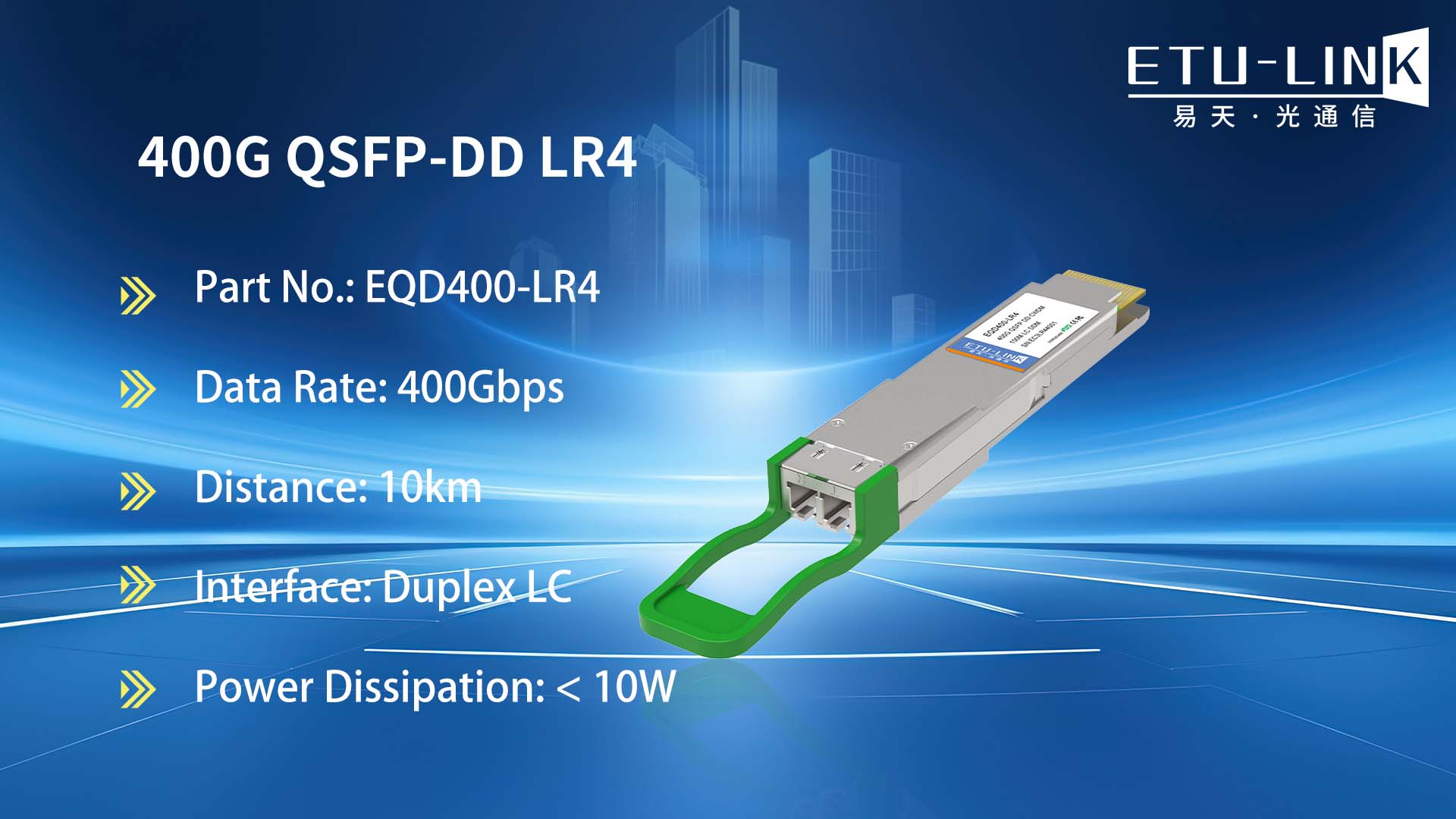
Примечательно, что архитектура 800G DR8 использует разъем MPO-16, поддерживает дальность передачи 500 метров и может разветвляться до 2×400G DR4, обеспечивая совместимость с существующей инфраструктурой 400G. Такая конструкция позволяет операторам центров обработки данных проводить модернизацию по мере необходимости, избегая высоких затрат, связанных с заменой оборудования «на ходу».
II.
Сравнение энергопотребления:
Расходящиеся технические пути цифровой обработки сигналов (DSP) и линейной обработки сигналов (LPO).
Наиболее очевидное различие между ними — энергопотребление. Традиционные модули 800G с DSP потребляют более 16 Вт, что значительно больше по сравнению с 10 Вт у 400G. Однако с развитием технологии LPO (Linear Pluggable Optical Module) ситуация меняется.
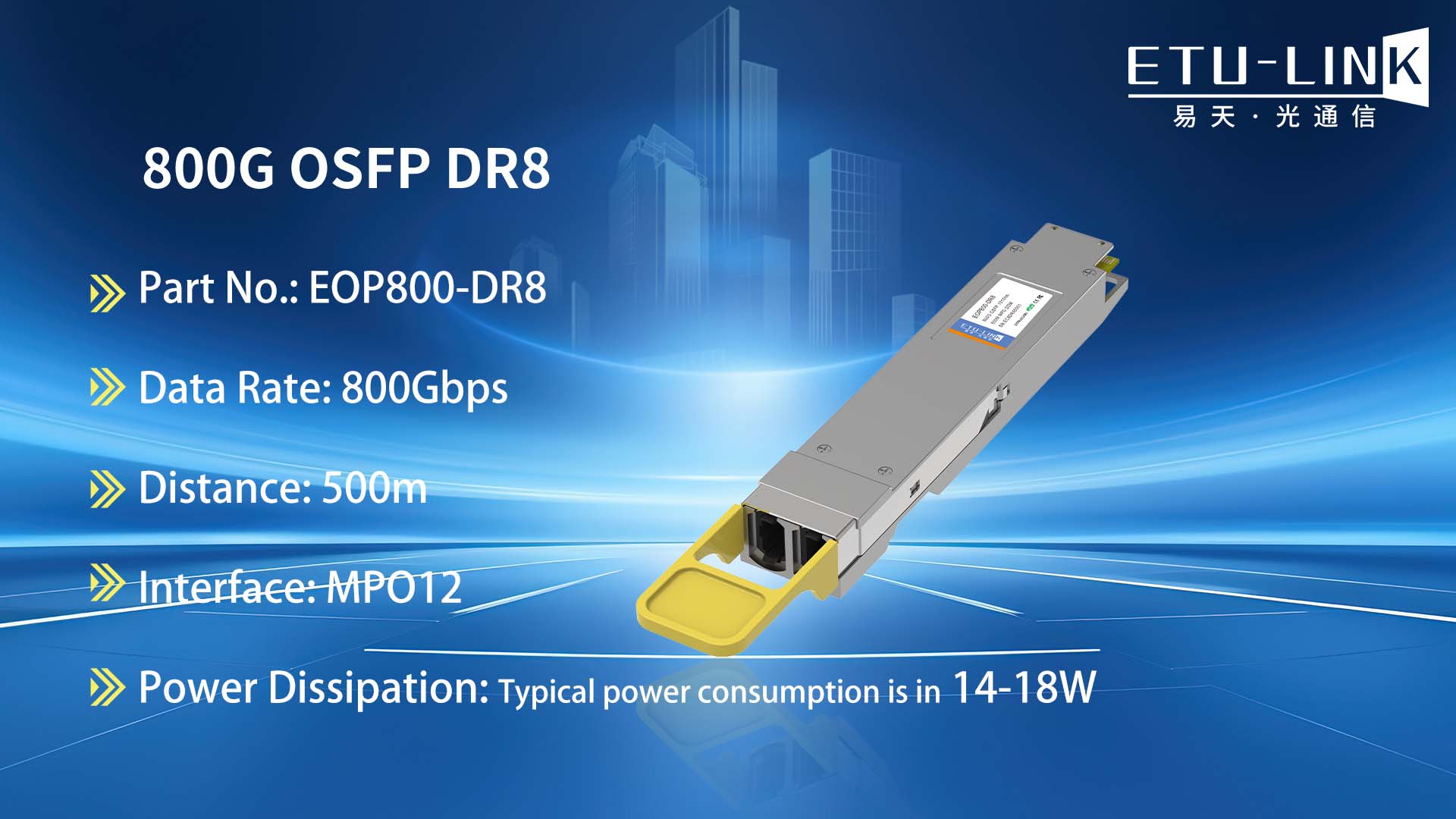
Данные показывают, что энергопотребление модуля 800G DR8 LPO может быть снижено до уровня ниже 8,5 Вт, что является значительным снижением по сравнению с традиционными решениями. Решение LRO (Linear Receiver Pluggable) также демонстрирует хорошие результаты: энергопотребление 800G DR8 LPO контролируется на уровне 9-10 Вт, что ниже, чем у традиционных решений DSP. Для кластера для обучения ИИ со 100 000 графическими процессорами это означает экономию энергии в десятки мегаватт.
III.
Поворотный момент на рынке: смена поколений под влиянием ИИ
С точки зрения проникновения на рынок, технология 400G останется основным выбором в 2025-2026 годах, особенно подходящей для стандартных облачных вычислений и развертывания на корпоративном уровне. Недавний отчет Cignal AI указывает на то, что 400ZRx стала наиболее широко используемой когерентной технологией, а 800ZRx превзойдет все предыдущие когерентные технологии, став новым стандартом для межсоединений центров обработки данных в сфере ИИ.
IV.
Путь модернизации: стратегический выбор на будущее.
Для операторов центров обработки данных 400G предлагает оптимальную общую стоимость владения (TCO) и кратчайший цикл окупаемости инвестиций. Однако для новых кластеров ИИ единственным жизнеспособным вариантом является 800G. Что еще важнее, 800G обеспечивает четкий путь развития для 1,6T и даже 3,2T — модуль следующего поколения 3200G будет использовать архитектуру 8×400G, а серийное производство ожидается примерно в 2028 году.
Как отмечают эксперты отрасли: «Определите скорость и дальность передачи, подберите форм-фактор, выберите тип волокна и, наконец, проверьте совместимость». Эта логика поможет предприятиям выбрать между 400G и 800G для удовлетворения текущих потребностей, закладывая основу на следующие три года. Переломный момент для модернизации центров обработки данных настал; 400G и 800G — это не просто замена, а оптимальные решения для различных сценариев. По-настоящему разумный выбор — это найти баланс между технологической зрелостью и перспективным мышлением.
Категории
Новый блог
Теги
новые продукты
Оптический трансивер 800G OSFP 2×DR4 1310nm 500M MPO12 с DDM Читать далее
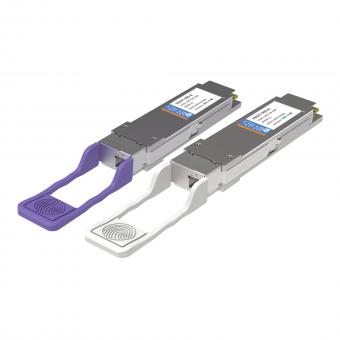
100G QSFP28 ZR4 BIDI 80KM LC оптический трансивер Читать далее
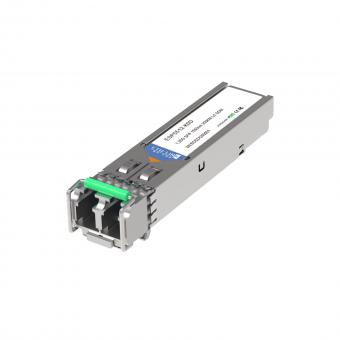
Оптический трансивер 1.25G SFP 1550 нм 200 км LC Читать далее
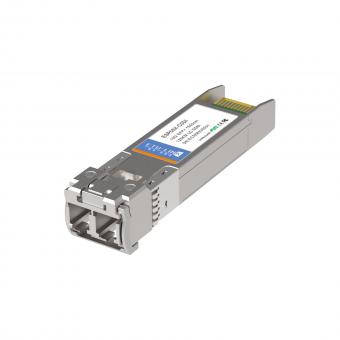
Оптический трансивер 10G SFP+ ZR 1550 нм 120 км LC Читать далее
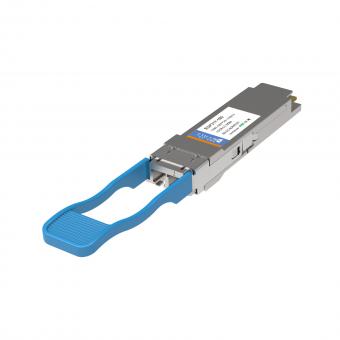
Оптический приемопередатчик 100G QSFP28 LR с одинарной лямбдой 10 км LC Читать далее
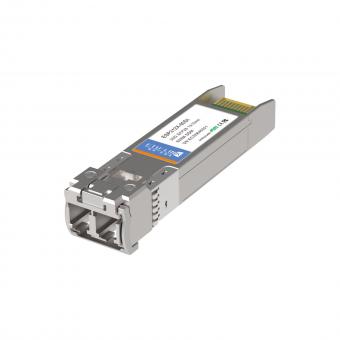
Оптический приемопередатчик 25G SFP28 ZR 1310 нм 80 км LC Читать далее
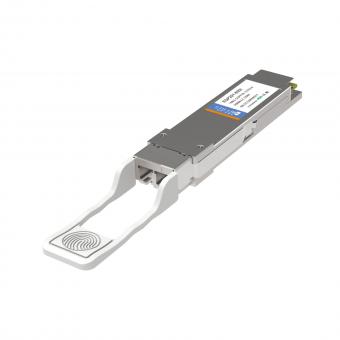
Оптический приемопередатчик 100G QSFP28 ZR4 80KM LC поколения II Читать далее
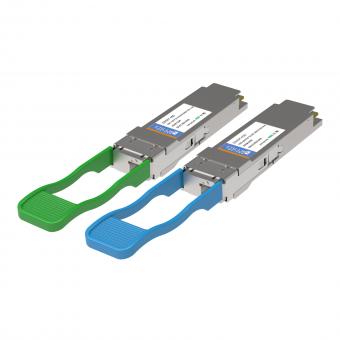
Оптический приемопередатчик 100G QSFP28 BIDI 40 км LC Читать далее
По вопросам о наших продуктах или прайс-листе, пожалуйста, оставьте нам, и мы свяжемся с вами в течение 24 часов.


 Factory: Right Side Of 3rd Floor, No. 102 Building, Longguan Expressway, Dalang Street, Longhua District, Shenzhen
Office: Floor 4, Building 4, Nanshan Yungu Phase ll, Taoyuan Community, XiliStreet,Nanshan District, Shenzhen
© Авторские права: 2026 ETU-Link Technology CO ., LTD Все права защищены.

Поддерживается сеть IPv6


